From Shawee to NewHack: lessons on hackathons and communities
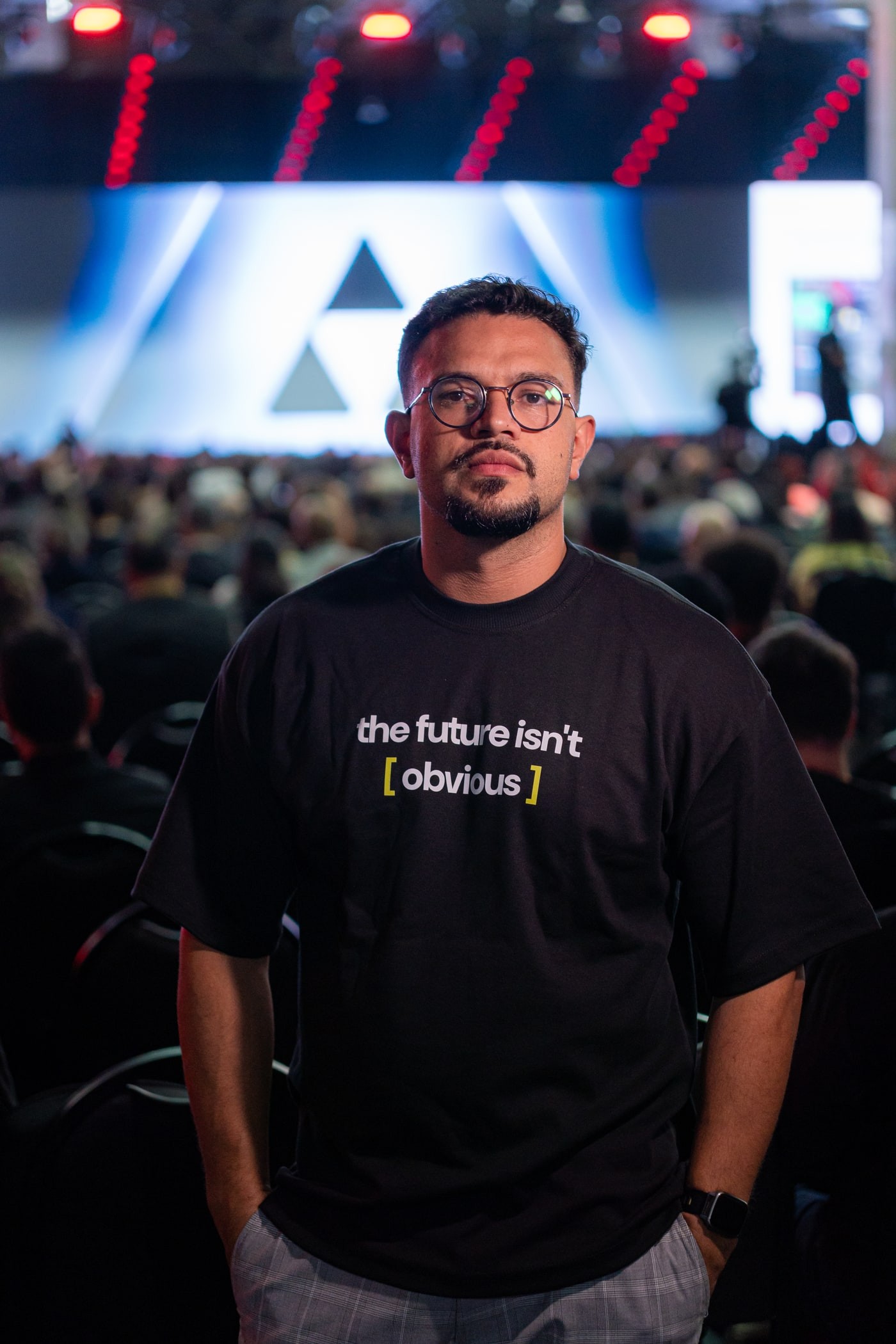
The connection between Shawee and NewHack runs through my journey as an entrepreneur. I cofounded and led Shawee, which merged with Rocketseat. Today, at NewHack, alongside Paulo Braga, I apply the lessons on hackathons, communities and connecting with companies to innovation and entrepreneurial education initiatives.
Those who knew me from organizing hackathons may have a very practical question: where can I find that work today? NewHack is where I bring that experience together to connect companies, developers and founders. To explain what we do now, it is worth revisiting a few decisions along that journey.
What happened to Shawee
Shawee combined hackathon organization with technology to manage participation and event deliverables. In November 2020, we announced the merger with Rocketseat, bringing that experience closer to a community dedicated to developer education. The deal was covered by Exame in its report on the merger announcement.
After Shawee, I was COO and CEO of Rocketseat. In 2024, I launched NewHack. Conversations with Paulo Braga brought our initiatives together and also led to Entrypoint, focused on startup investment. I described that journey in the Startups interview about NewHack and Entrypoint.
These are different stages, each with its own scope. The projects carried out by Shawee belong to Shawee's history. The experience I developed there is part of the background I draw on to build NewHack today.
A concrete challenge gives the gathering a purpose
My first contact with hackathons showed how a concentrated period of work could bring people, technical knowledge and business problems together. On PodCafé Tech, from 05:34, I talked about how that experience led to organizing the first events and, later, building Shawee.
The lesson I bring to designing a program is to start with the company's question. Those who live with the problem need to help define the challenge. This helps developers understand the context and allows the evaluation to consider the usefulness of what was built.
Imagine a company that wants to explore AI in customer service. Before gathering teams, it can define a specific task, such as finding the information needed to answer a recurring question. With authorized examples and someone from operations available, the group can investigate a real situation and explain what it learned.
The relationship with the community needs to continue
A community gains value when people find reasons to return. The first gathering may start a conversation, but subsequent contact needs to offer space to share questions, test ideas and help other participants.
For a company that wants to connect with developers, this begins with the quality of the experience: accessible documentation, support during development, understandable challenges and feedback on projects. Trust grows when the brand follows through on the work it encouraged.
At NewHack, this perspective guides the connection between gatherings, mentoring and programs. When designing an initiative, it is worth defining who maintains the relationship afterward, which participants want to continue and what next step is viable for each group.
The prototype needs someone to take responsibility for the next step
A hackathon can produce lessons, new relationships and demonstrations of solutions. For a project to move forward inside the company, the handoff to the next stage needs to be agreed on: an owner, a hypothesis to test, users and a date to assess the results.
That is what I detail in the guide to taking a hackathon prototype to a pilot. This care makes it possible to recognize both an opportunity to continue and a hypothesis that needs revisiting.
How this experience takes shape at NewHack
One recent example is NewHack's support for the hackathon in Itaú's internship program, with methodology, mentors, challenge validation and facilitation. In that account, I connect this experience with the projects we carried out with the bank during the Shawee years.
NewHack brings together hackathons and open innovation, Developer Relations activities, entrepreneurial education and immersions. Its proximity to founders also connects with Entrypoint's investment work and AI House Brasil. Each initiative has its own audience, proposition and scope.
- For companies: design challenges, mobilize participants and organize innovation experiences connected to a business need.
- For developers: find opportunities to build, exchange knowledge and connect with companies and entrepreneurs.
- For founders: access conversations, mentoring and experiences that help them make decisions about their own businesses.
Shawee's history helps explain where part of this experience comes from. NewHack's commitment is to apply it to today's challenges, with room to learn from each company and each community.
If you discovered my work through Shawee and want to discuss an initiative for your company, explore NewHack's corporate innovation work. To understand who builds this work, also learn about NewHack's founders and culture.