Itaú Hackathon: how NewHack supported the internship program
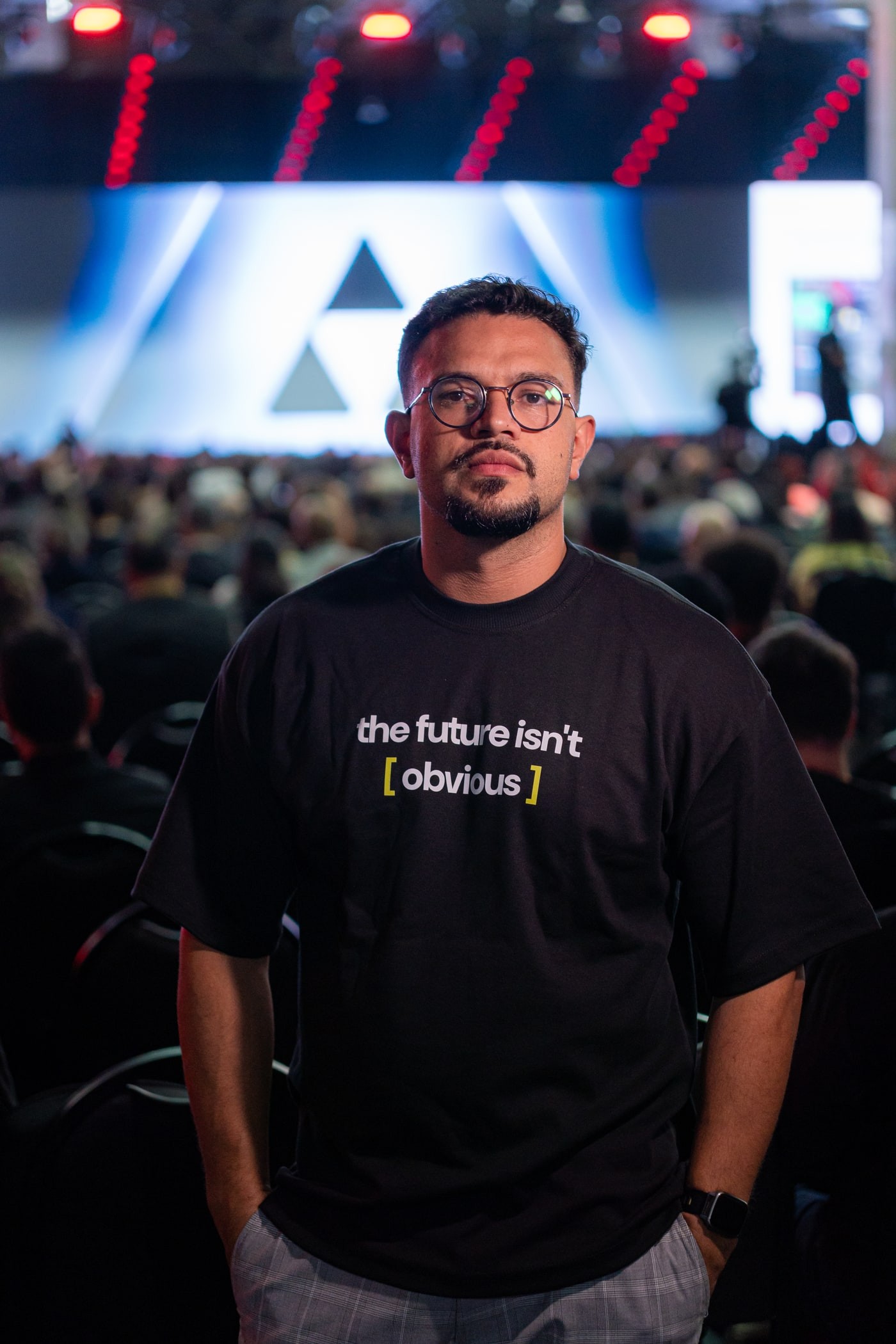
NewHack supported the team responsible for Itaú's internship program in running Hackathon Itaú 2026 on September 26 and 27, contributing methodology, invitations to industry mentors, challenge validation and facilitation. For me, being part of this project also meant reconnecting with a shared history: in 2018 and 2019, while still at Shawee, we helped the bank recruit technology talent through hackathons.
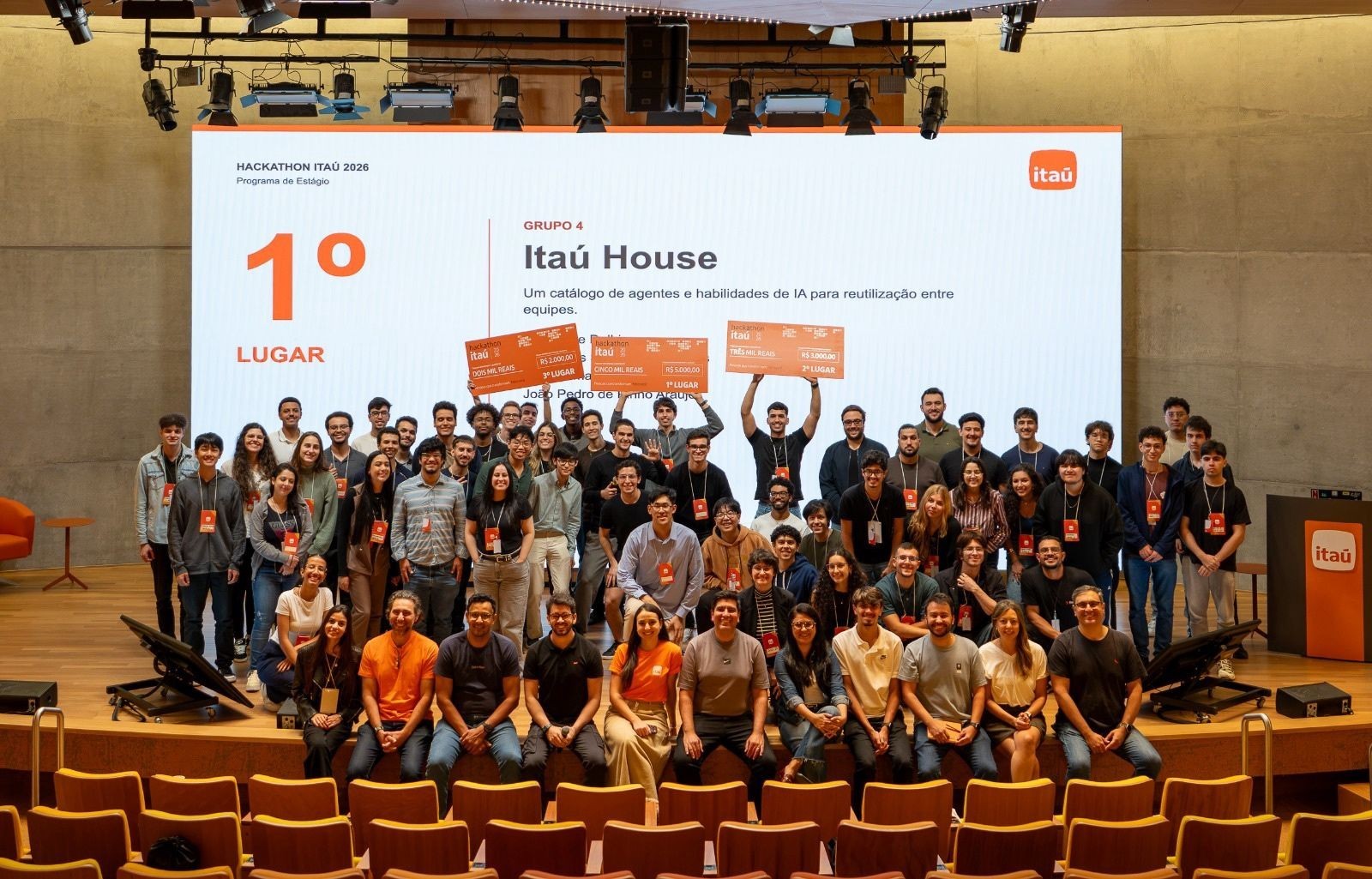
Some companies see a hackathon as a one-off experience. Throughout my history with Itaú, I have seen the format used at different moments to bring people, technology and the bank's challenges together. What connects those experiences is the opportunity to get to know someone while they learn, ask questions and build alongside others.
It was a pleasure to join this new edition with NewHack. Besides supporting facilitation, I served as master of ceremonies and shared onstage how hackathons changed my life. To me, any conversation about talent also involves the opportunities we can put within more people's reach.
A history with Itaú that began at Shawee
In 2018 and 2019, at Shawee, we helped Itaú find and recruit technology talent through hackathons. The bank was already exploring this approach in its hiring processes: bringing people together around a challenge and creating an environment where they could show how they think, collaborate and develop solutions.
Itaú Insights and Batalha de Dados Itaú are part of that history of projects with the bank. The videos below document these experiences and help provide context for the relationship we have continued building over the years.
- Itaú Insights: watch the hackathon video on Shawee's channel.
- Batalha de Dados Itaú: watch the project video.
In 2025, now with NewHack, we organized a multicloud hackathon and an internal hackathon with Itaú. In 2026, it was our turn to support the team responsible for the internship program. Each initiative has its own goals, but they share one lesson: the quality of the experience depends on the care given to the challenge, the people and the way the work is guided.
That continuity is part of my journey and the experience I bring from one stage to the next. The projects in 2018 and 2019 were carried out by Shawee; the support for the internship program in 2026 comes from NewHack. I tell more of that story in From Shawee to NewHack: lessons on hackathons and communities.
How NewHack supported the internship program's hackathon
Our work was to contribute alongside Itaú's team to make the participants' journey more consistent. We brought part of our methodology, invited industry mentors, took part in validating the challenge cases and supported facilitation during the event.
- Methodology: help organize the path from understanding the problem to developing a proposal and presenting what was built.
- Industry mentors: connect participants with professionals who could bring questions, references and perspectives from facing challenges in practice.
- Case validation: review the clarity of the problems and expected deliverables so teams had an understandable direction.
- Facilitation: support the pace of work, guidance sessions and communication throughout the experience.
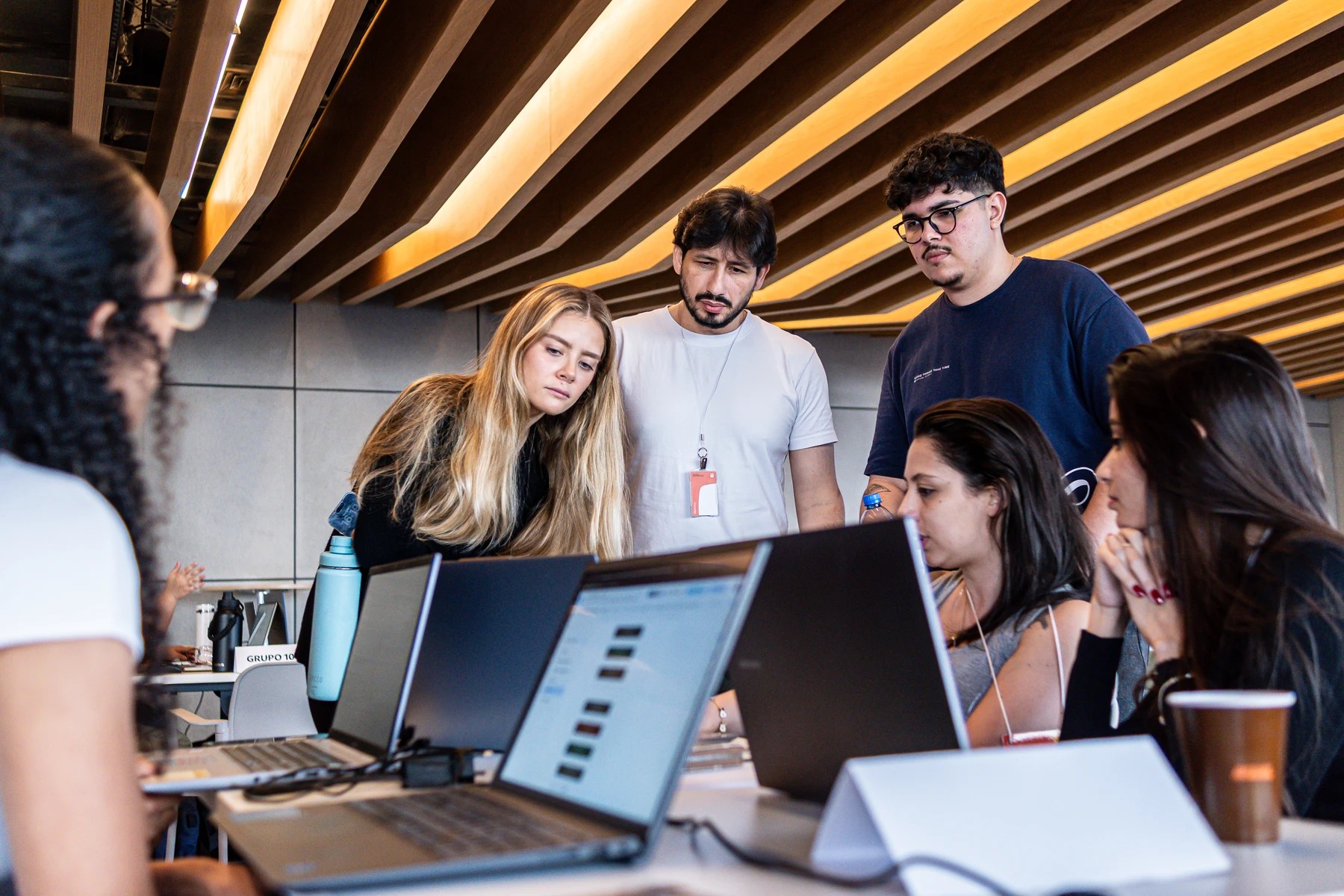
In a mentoring session, a good question can help more than a ready-made solution. A mentor's role is to create space for the team to explain its choices, recognize gaps and decide on the next step. That care preserves the participants' agency and makes learning part of the outcome.
The presentation stage brought together 14 projects. Beyond getting onstage, each team needed to organize what it had built and communicate its reasoning. That transition from idea to teamwork to presentation is where an experience like this gains depth.
The mentors who contributed to the experience
I thank the mentors who shared their time, experience and questions with the teams. Their contribution helped connect the challenges with the perspectives of industry professionals:
- Anderson Lucas de Medeiros
- André Santos
- Arthur Castro
- Celso Diniz
- Diogo Soares
- Edmar Martins
- Guilherme Martins
- Izael Effemberg da Costa
- Katherine Vescovi
- Rodrigo Beckmann
- Rodrigo R. Ramalho
A guide to carrying mentoring lessons into the final deliverable
We also gathered the guidance from the second round of mentoring into a tips guide for participants. The material turned those discussions into references teams could consult while preparing their deliverables. It was supporting guidance, without creating new deliverables or changing the evaluation criteria.
The guide covered clarity of the problem, connection with the case, scoping a solution that could be demonstrated and defining how to measure its value. The tips also addressed justified use of AI, care with data, division of work and preparation of an understandable presentation.
One principle runs throughout the material: the team needs to be able to explain what is ready, what is simulated and what still needs validation. Mentors offer perspectives; participants remain responsible for their decisions. That is a lesson each person can carry beyond the hackathon.
Read the Hackathon Itaú 2026 mentors' tips guide (PDF, 2 pages).
Why use hackathons in hiring processes
A résumé tells part of a person's story. A team challenge adds situations where it is possible to observe how someone listens, asks questions, handles a constraint and shares knowledge. It is an opportunity to see skills in action, especially when participants are still early in their careers.
That potential requires care in designing the experience. Clear challenges, known criteria and access to guidance help people understand what they need to do and how to present their work. Collaboration needs real space, as does the possibility of revisiting a decision after receiving a difficult question.
For organizers, it is worth distinguishing the goals: a recruitment hackathon serves a different purpose from an event to try out a technology or develop internal proposals. The methodology needs to follow that purpose. This conversation guides the scope before choosing the agenda, tools and deliverables.
Hackathons changed my life
Onstage at Itaú, I shared some of my own story. Hackathons brought me closer to people and possibilities I did not yet know. That experience influenced the building of Shawee and remains part of how I think about NewHack.
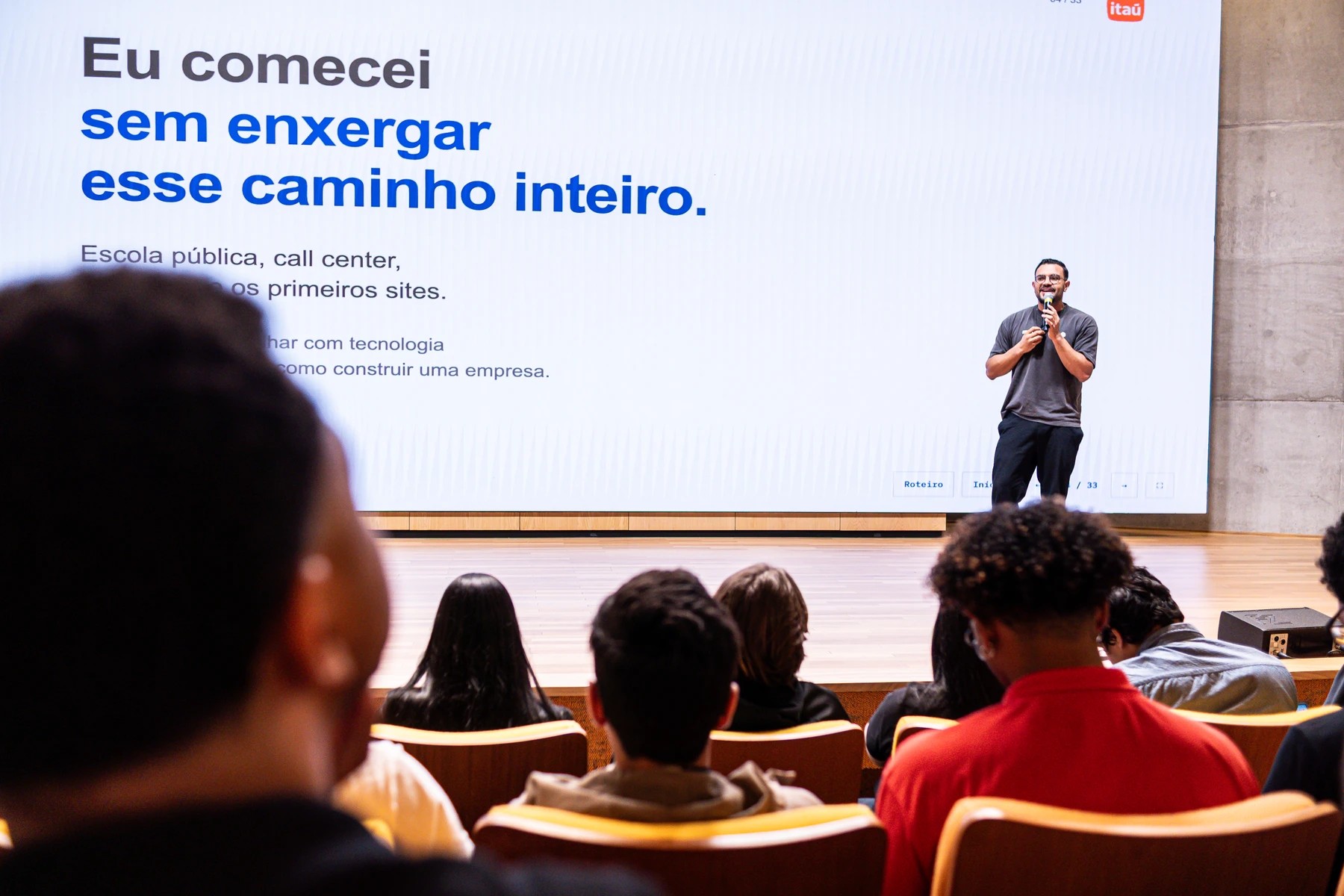
I did not start out seeing the entire path. That is why, when I meet people beginning their professional journeys, I think about the responsibility to make that path a little more visible. Sharing an experience, a reference or a question can help someone recognize a possibility that was not yet on their horizon.
The future does not arrive for everyone at the same time. Those who are more aware of the possibilities also have a duty to share them.
That was one of the messages I brought to the conversation. Having access to knowledge, technology and people creates a responsibility: to let that access circulate. An event like a hackathon can be a place for this to happen, with people willing to learn and people willing to share what they know.
Organizing a hackathon means caring for the participants' experience
From Shawee to NewHack, one lesson has stayed with me: a good hackathon begins before teams come together. It begins when we understand the project's purpose, design a meaningful challenge and bring together people who can contribute to that journey.
At NewHack, we apply this experience to hackathon organization and corporate innovation projects. Depending on each initiative's needs, the work may involve consulting, facilitation, production, a platform, outreach and Developer Relations. We also explain how these choices change across online, in-person and hybrid formats.
In Itaú's internship program, we had the opportunity to contribute to the methodology, mentors, challenges and facilitation of the event. It was a pleasure to stand alongside the team responsible for this project and everyone who put their energy into building, asking questions and sharing. Thank you to Itaú for the trust, to the mentors for the exchange and to the participants for making this experience happen.