Your startup at a huge event: leave with conversations and a story to tell, not just a full camera roll

On the first night of Web Summit Lisbon, networking was already happening. At Night Summit, the event’s evening program, founders, investors and people from across the ecosystem shared the same space.
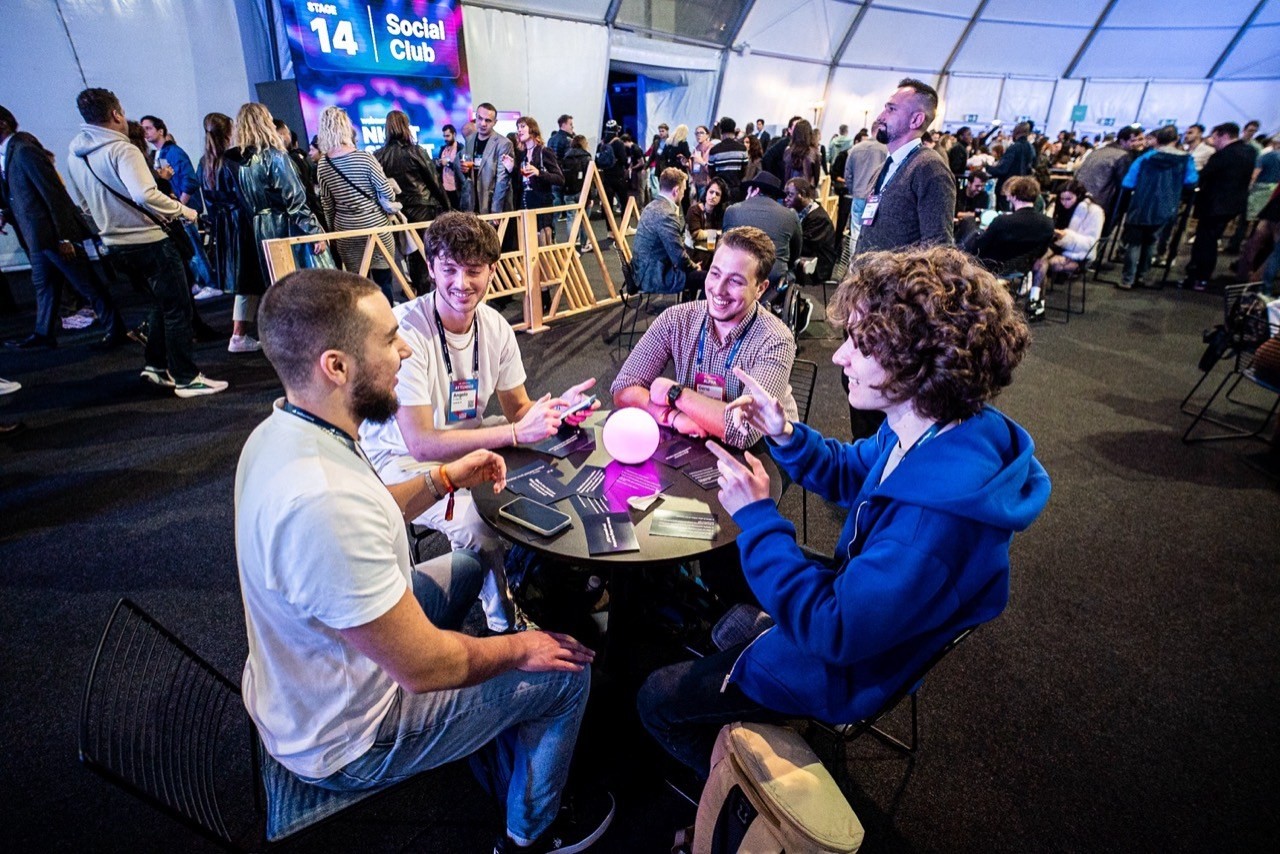
Two activities caught my attention. The first was an oracle, a game people played together around a table that gave them a reason to start a conversation.
The second is an official activity on the program, Speed Networking. These are 30-minute sessions in which you switch conversation partners several times. The sessions do not require a reservation, and places are filled on a first-come, first-served basis. The official Speed Networking guidance asks people to arrive 10 minutes early because places fill up quickly.
Both show the same thing: the event is designed to help you connect from the very first night. But the setup only opens the door. What you do with those few minutes depends on how you arrive.
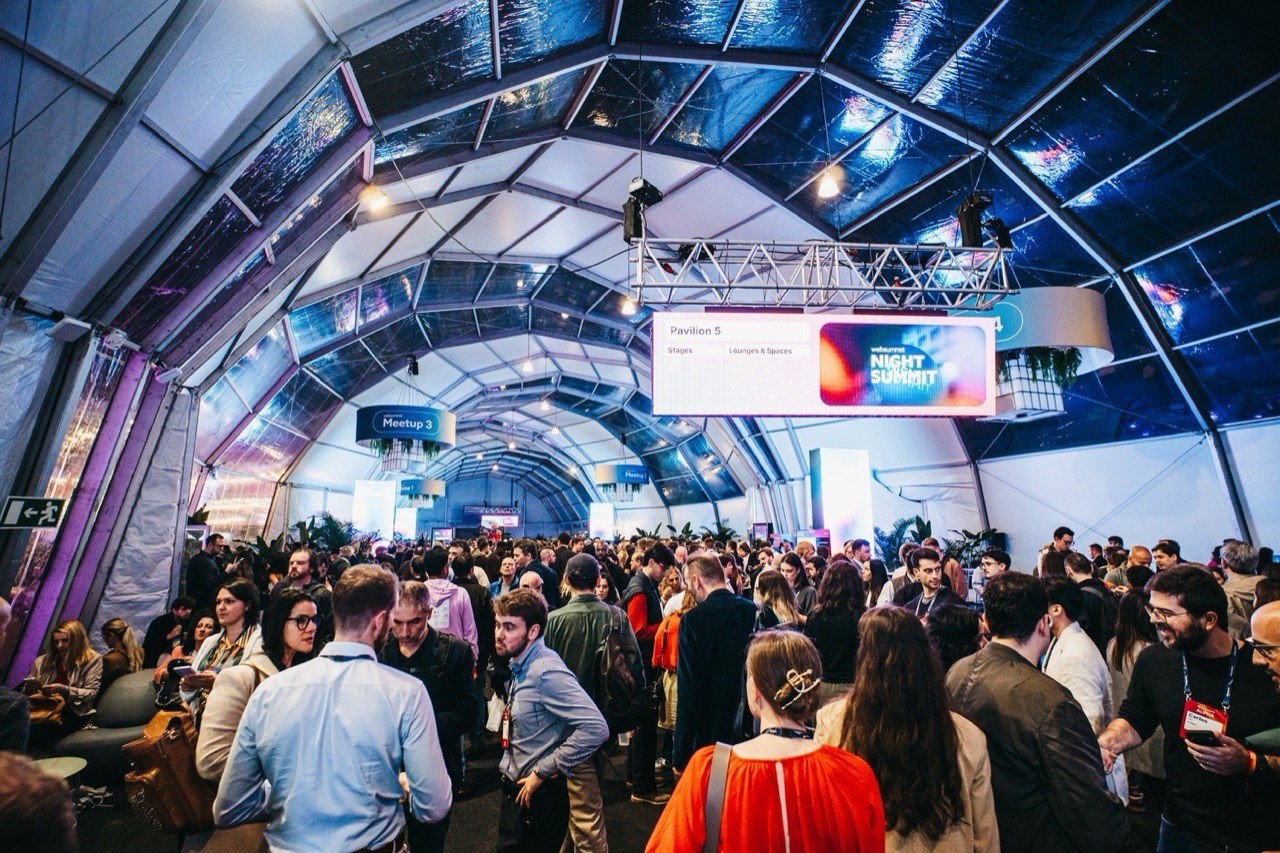
At an event this size, it is easy to go home with a full camera roll and little to say. I am covering the event through photography, video and editing, and seeing everything through a camera is teaching me a lot about what stays with people and what disappears afterward. That is what I want to share here with anyone building a startup and attending events in the ecosystem.
Before: know which story you want to bring home
People filming an event do not just record everything. Before turning on the camera, we decide which story we want to tell. The same applies to your startup.
Before you go, ask yourself: if someone on your team or a customer asks, "So, how was it?", what do you want to have to show them? It could be a conversation with a particular kind of founder, a demo from a competitor abroad, or a genuine reaction to your product.
And keep something on your phone that shows your startup working in a few seconds: a screen, a short video, a number. On a noisy event floor, showing makes your point faster than explaining.
During: explain your startup in 10 seconds
At a happy hour like those at Night Summit, conversations begin and end quickly. You have a few seconds before someone decides whether to stay or move on.
Three things that help you fit it into 10 seconds:
- Start with the situation, not the company. "You know when a restaurant loses an order during the lunch rush?" holds attention better than "we are a management platform".
- One sentence, one idea. If you need "and also", cut it.
- Finish by making room. A question for the other person turns the conversation into an exchange rather than a presentation.
And at a happy hour, being intentional also means knowing how to move around. Small circles are easier to join than large groups, and leaving a conversation politely is part of it. Nobody expects you to stay in the same place all night.
Through the camera: what becomes content people want to see
I have been moving through the event with my camera in hand, on the floor, at booths and outside. There is a big difference between what makes a beautiful photo and what becomes content someone wants to watch.
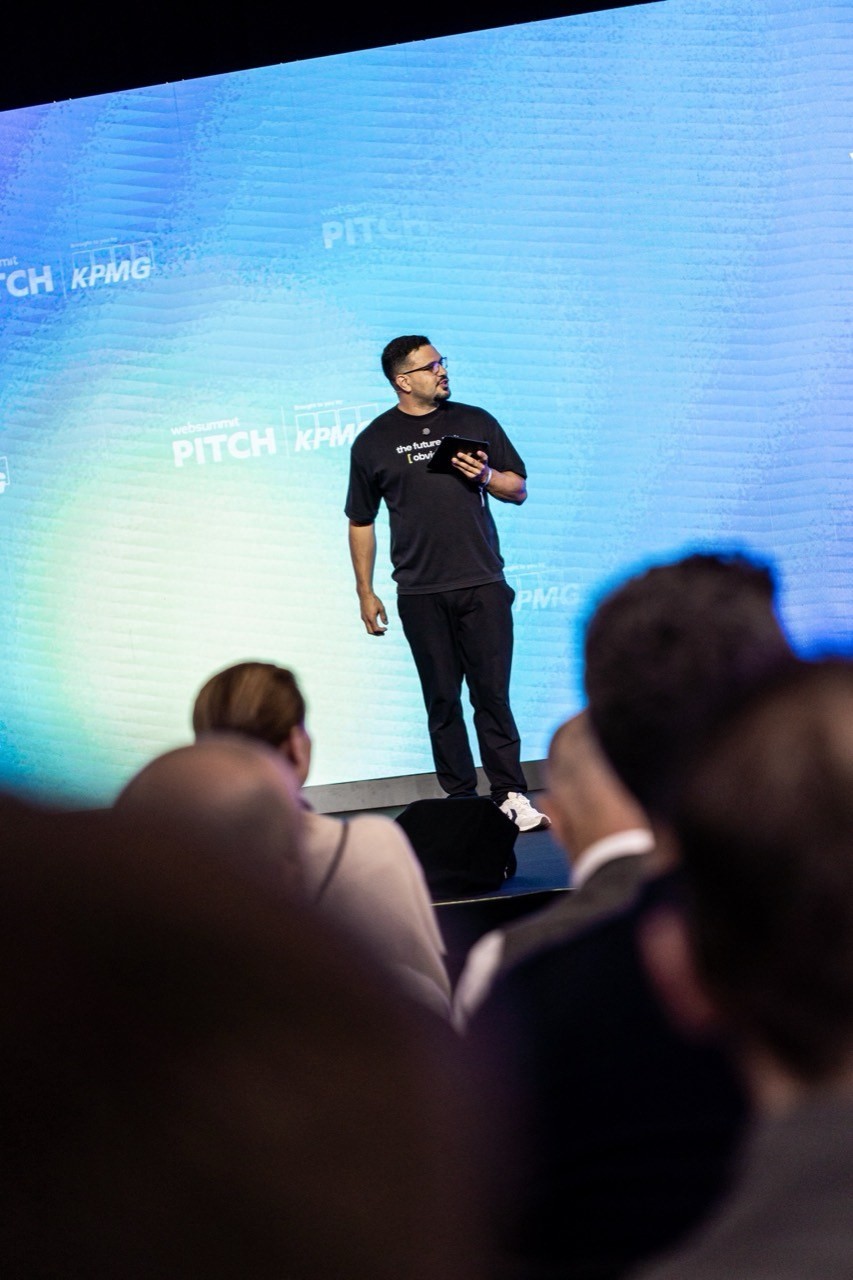
The photo that has stayed with me most so far is of Terron hosting PITCH, with a full audience. At an event where everything competes for your attention at once, seeing people stop to watch founders present says a lot. The photo shows more than a stage. It shows attention being held.
What tends to become content:
- People explaining what they are building. Someone speaking clearly about their own product is worth more than ten shots of a booth.
- Behind the scenes. The setup, the queue, the conversation before a pitch. They show that there are real people behind it.
- Attention. An audience looking at the same thing, someone reacting to a demo. It is evidence that something matters to them.
And not everything needs to be published. A conversation with a customer, meeting a partner, or spending time building a relationship often does not become a post, but it matters a great deal to the company. Knowing what to record and what to experience is part of it too.
That is why, when a founder asks me for advice on documenting their startup at an event, I begin with a question: what do you want your company to communicate? The answer determines what is worth recording.
After: publish while it is still fresh
The event ends and everyday work quickly takes over. Content you don't publish in the first week rarely makes it out later.
- Choose just one story. Do not try to summarize the entire event. A conversation, a lesson, or a well-told scene is worth more than an album.
- Explain what changed for you. "I saw a startup doing X, and that changed how I think about Y" starts more conversations than "I went to Web Summit".
- Tag the people who were part of it. People featured in your story tend to share it, and that reopens the conversation that began at the event.
It applies to any event
Web Summit is huge, but the same approach applies to any event in the ecosystem: know which story you want to bring home, explain your startup in a few seconds, capture what will become meaningful content, and publish while it is still fresh.
At NewHack, we believe early-stage founders grow by learning from people who have already built businesses and connecting with other founders. Events are one of the best ways to do that, as long as you leave with more than a full camera roll.
Follow NewHack’s official coverage of Web Summit Lisbon on Instagram, LinkedIn, the NewHack blog and Portal iMasters.