Brazilian technology: sovereignty starts with the ability to build
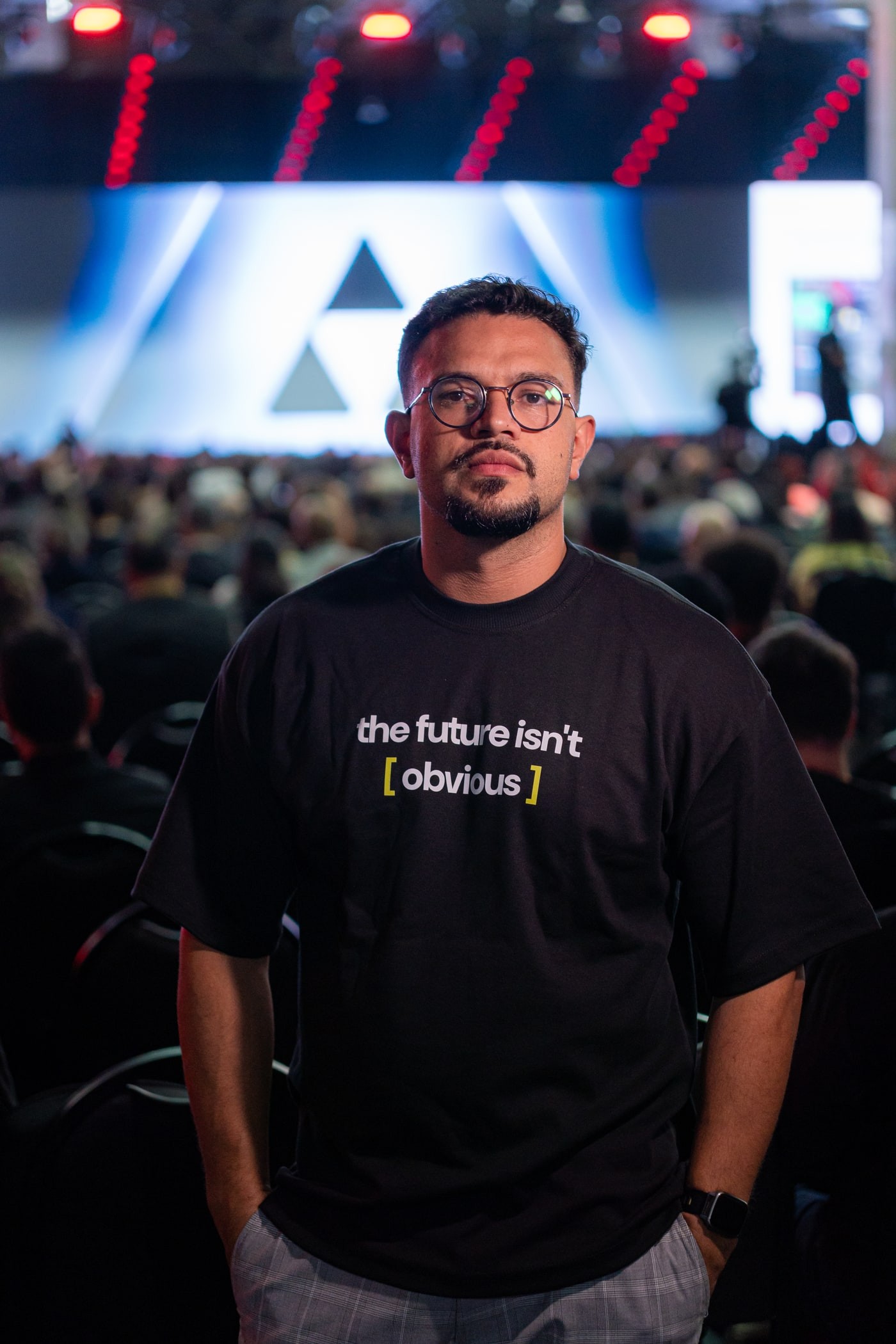
My recent work with Positivo Tecnologia, Locaweb and MagaluCloud made me consider a question: how can Brazil participate more in technology decisions, beyond consuming what comes from abroad? For me, strengthening national companies, training the people who build and bringing infrastructure closer to real problems are parts of the answer.
There is a commercial relationship in this discussion. The content with Positivo Tecnologia and Locaweb is identified as advertising in the original posts. With MagaluCloud, I took part in a conversation at Cloud Futures, published on NewHack's channels. I bring these experiences as a starting point for my perspective, without turning them into an independent technical comparison between providers.
The debate also involves infrastructure
When we talk about technological progress, it is easy to begin with the application that caught our attention. The AI demonstration is impressive, the prototype is ready and the idea seems close to becoming a business. Then other questions arise: where will it run, how will we sustain its use, who resolves a problem and how do we plan the next stage?
That is where infrastructure stops being a distant subject. Equipment, IT services and cloud computing are part of the choices faced by people building things. I want entrepreneurs to understand those choices before discovering their limits in production.
In the post with Positivo, I spoke about the foundation that needs to accompany a company's growth. The company's corporate overview presents end-to-end IT infrastructure, including PCs, servers and IT services. This range helps open a conversation that goes beyond the computer as a product: technology needs to serve entrepreneurs' operations.
In the content with Locaweb, the starting point was the distance between creating a prototype and putting an application into people's hands. Locaweb Cloud presents infrastructure with servers in Brazil and support in Portuguese. These characteristics can be part of a project's assessment, alongside architecture, cost, availability and support needs.
In the conversation with Rodrigo Schiavini of MagaluCloud at Cloud Futures, the discussion covered cloud, AI and startup challenges. The company's platform presents computing, storage and artificial intelligence services. My interest is in bringing that knowledge closer to people who need to choose a foundation on which to build.
These examples do not prove that a national solution is best for every project. They show why it deserves to be part of the conversation. The provider should meet the application's needs, using criteria the team can explain and test.
Sovereignty as the ability to decide
When I use the expression technological sovereignty, I am advocating for the ability to decide, develop, operate and participate. I want Brazil to have alternatives, knowledge and the conditions to negotiate its place in the technology value chain.
This view coexists with international collaboration. Brazilian companies work in chains involving components, standards, software and partners from several countries. A national brand alone does not mean every part of its technology was created here. A data center in Brazil does not, by itself, answer every question about control, security or continuity either.
For me, the discussion becomes more useful when it reaches concrete questions. Does the team understand what it is purchasing? Can it export its data? Are the documentation and support adequate? Is there a path to continuity if the provider, price or needs change? Are we training people capable of operating and improving this solution?
That is how a thesis gains practical consequences. Having local capabilities also means producing knowledge, taking responsibility for decisions and being able to change direction thoughtfully.
National companies need room to be evaluated
Advocating for the relevance of Brazilian companies means including them in the assessment, with technical rigor and room to demonstrate what they do. In my view, that presence matters for the country to develop its own expertise and create opportunities for its professionals.
For a founder, I would begin with five criteria:
- The problem and architecture the project needs to address.
- The cost of operations, including growth and any eventual migration.
- Documentation, support and the team's ability to use the solution.
- The conditions for data access, export and processing.
- The ability to test before taking on a significant dependency.
This assessment applies to Brazilian and international providers. It is a selection process grounded in practical experience that can reveal where a national company makes sense and where another solution is a better fit.
Putting Brazil in the global conversation requires people building
I want to see Brazil recognized for the technologies it creates, the professionals it trains and the problems it can solve. That position needs to be built through products, projects, relationships and knowledge that circulates.
At NewHack, we connect founders, developers and companies through community, hackathons, content and gatherings. AI House Brasil expands this building agenda with artificial intelligence. Work with brands can help bring tools and infrastructure closer to people who did not yet know where to begin.
That is also why I see value in discussing national companies on my channels. The sovereignty discussion needs to reach people making small decisions every day: choosing a tool, learning a technology, purchasing infrastructure or turning a prototype into an operation.
My role, integrated into the NewHack ecosystem, is to help this conversation happen with context. Brazil gains space in the technology debate when more people here can build, explain their choices and contribute what they have learned.