The tech creator economy: influence that helps people build
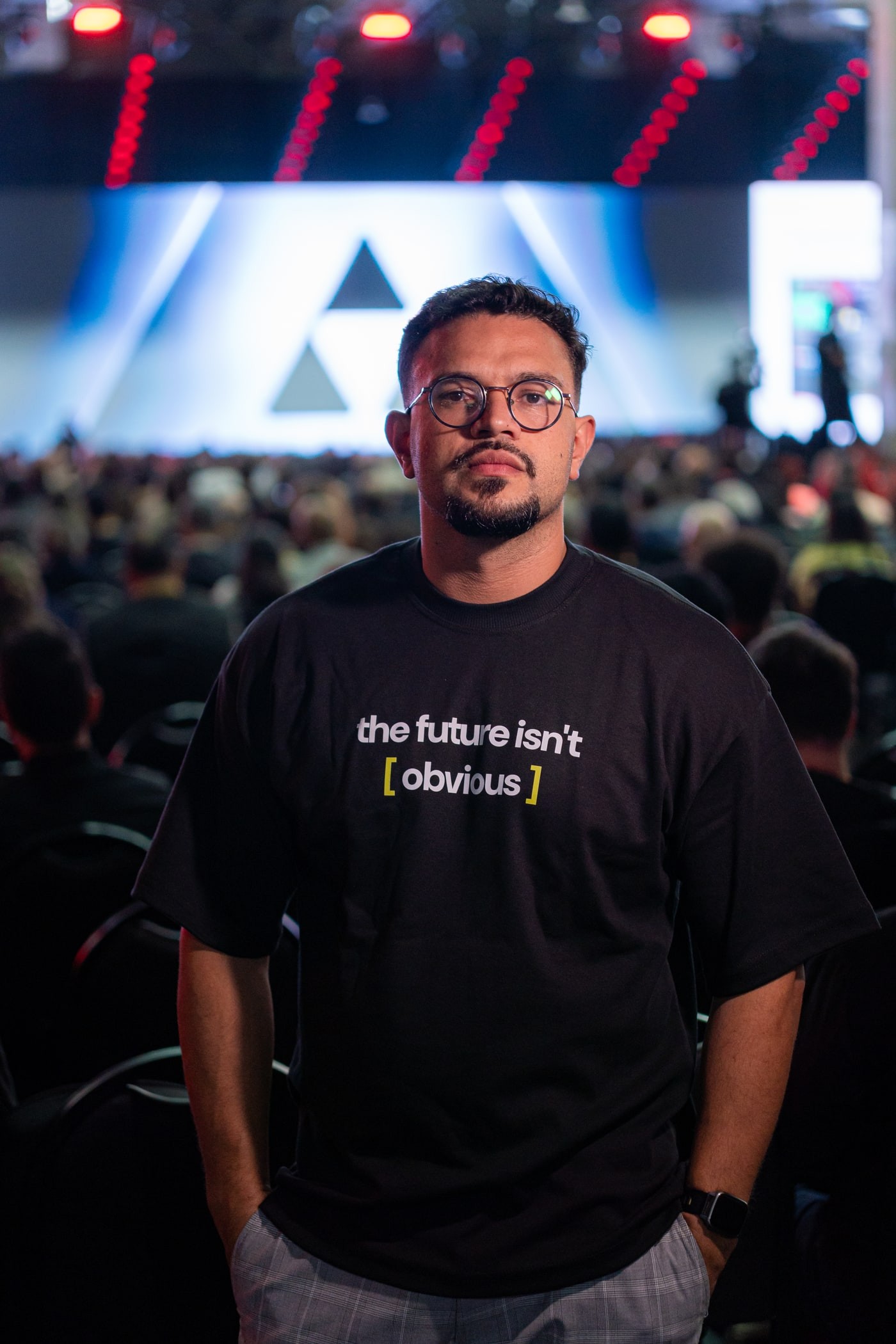
For me, a technology creator's work gains value when someone finishes a piece of content better equipped to understand, choose or experiment. That is the role I want to play with NewHack: bringing technology closer to people and turning attention into access, learning and new possibilities for building.
I have been working with brands on content, conversations and experiences that form part of this journey. In the posts with Positivo Tecnologia and Locaweb, the advertising relationship is disclosed. In the conversation with MagaluCloud at Cloud Futures, published on NewHack, the topic was infrastructure, AI and startup challenges. Each project has its context, and that needs to be clear to the audience.
Making technology understandable is a responsibility
A company knows the product it created deeply. Someone encountering that product for the first time still needs to understand why they should pay attention, where it could be useful and what they will need to learn to use it.
Between those two points lies the work of making technology understandable. A creator can explain an infrastructure choice to an entrepreneur, show an application to a developer or connect an AI demonstration to a recognizable problem. It is at that intersection that I see room for the tech creator economy.
I use that expression to describe the work of people who create content, build relationships with an audience and work with technology companies. In my case, that can involve advertising, interviews, coverage of experiences, talks and community gatherings.
The responsibility begins with the focus. What does this person need to understand? What information is missing? Which example brings the topic closer to their reality? The content has to offer a clear path, even when the subject is complex.
Demonstrating with context
The starting points differed in my work with the three national companies. With Positivo, the conversation addressed the infrastructure that accompanies business growth. With Locaweb, the choices after the prototype. With MagaluCloud, the relationship between cloud, artificial intelligence and the realities of startups.
These topics may seem technical to someone just starting out. The role of content is to make them accessible without hiding the decisions that follow. Understanding a demonstration is one stage; evaluating the tool for a project, testing and operating it are others.
Good technology content needs to make room for that distinction. People should be able to recognize the example, understand its context and find documentation or a next step. When there is a commercial partnership, they should be able to identify that relationship too.
Distribution needs to consider the recipient
At NewHack, we use distribution to think about how a technology reaches audiences that can do something with it. That involves message, channel, timing and continuity.
A post can introduce a subject. A newsletter can provide a more detailed explanation. A gathering allows questions. A workshop or hackathon creates room to experiment. Each format has a role, and the combination depends on the brand's and the community's objectives.
At Rocketseat, I experienced a combination that still guides my work: developing a good product and using education and community to bring it closer to people. Sharing knowledge delivers value before a sale and can help a product find its audience. This connection appears in the conversation on Verdades Antecipadas.
My work as a creator is part of the NewHack ecosystem. The content connects with the gatherings, community and projects we build, so that work can continue after publication.
Distribution also needs to be evaluated carefully. Impressions help us understand exposure. Questions reveal doubts and interest. Documentation visits, participation in gatherings and experimentation help track other steps. None of these signals alone proves adoption or revenue.
Democratizing means creating conditions for the next step
When I talk about democratizing technology through influencer marketing, I mean reducing barriers to learning and experimentation. Explaining in Portuguese, showing an understandable use case and bringing specialists closer can help people who have yet to find an entry point.
But access to content is only part of the path. People also need resources, time, training and support. A post does not solve all of that. It can, however, show where to start and connect someone to a community that continues the conversation.
In my own journey, hackathons played that role. They brought people, challenges and opportunities close to me. Today, that experience guides my work with content and community: I want more people to have the conditions to participate in building technology.
The agreement needs to protect trust
For a brand that wants to work with creators, I would begin with clarity about the project. Who needs to know this technology? Which problem will we explain? What role will specialists play? What is included in the agreement, and how will we disclose the partnership? Which signals will we observe afterward?
That same clarity needs to reach the audience. A partnership should not become a promise of universal results. A creator's experience can help people understand a product, but the decision to use it deserves its own criteria.
In our projects with Rodrigo Terron, we connect content, talks and experiences to NewHack's distribution possibilities. For companies seeking to build a presence in Brazil, GTM Tech expands this work through Developer Relations, community, events and partnerships.
What I want to produce through this work is a useful relationship: the brand can explain its technology; the audience gains knowledge to decide; the community finds opportunities to experiment. When these three things move forward together, influencer marketing can help bring more people into building the future.