Silicon Valley immersion: how to turn a trip into decisions
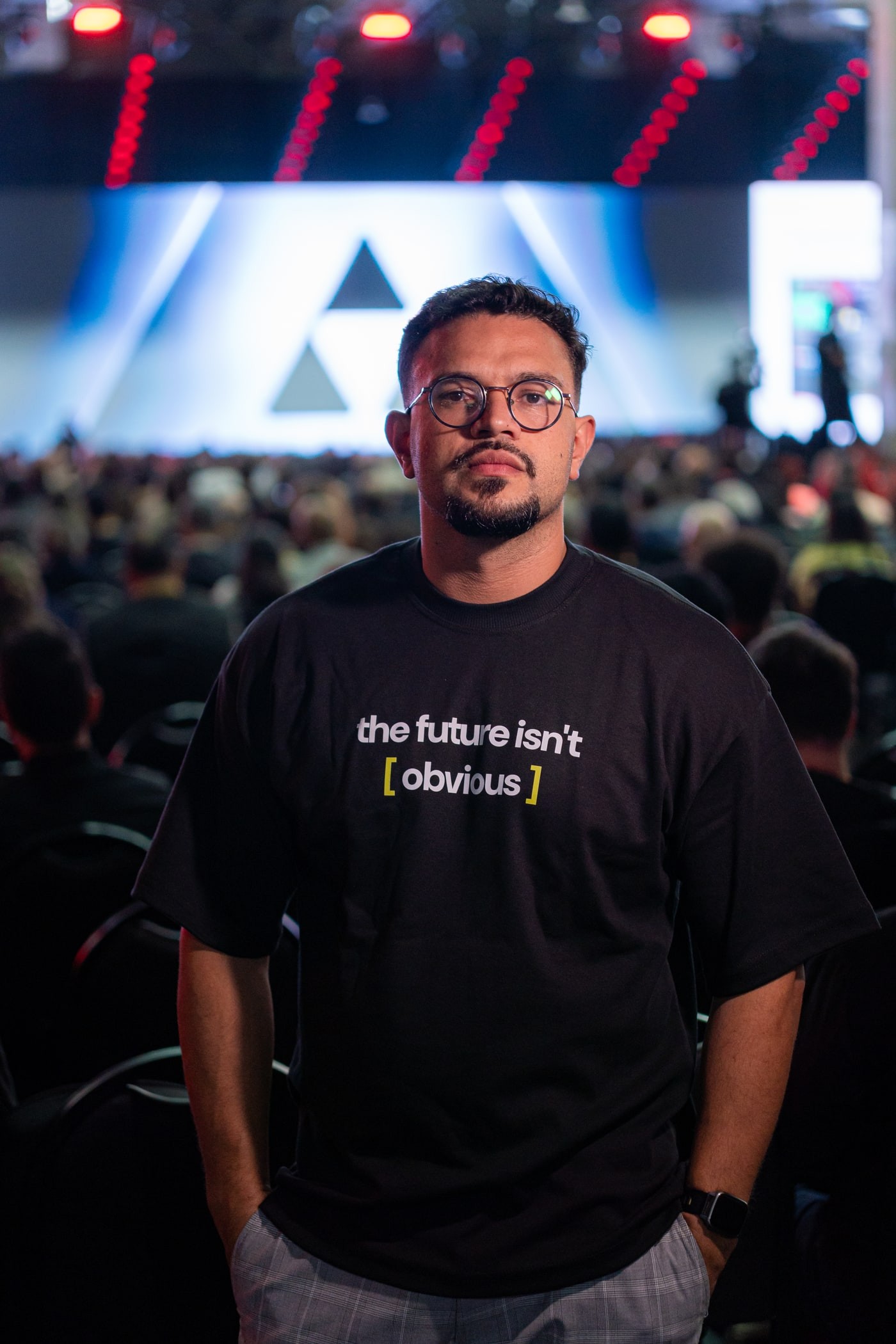
A Silicon Valley immersion can be prepared as a learning cycle: leave with questions about the business, record the context of what you observe and return with decisions you can test. To do that, the schedule needs to connect with the company's current situation, and applying what you learn needs a place on the calendar after you return.
When I lived in Silicon Valley for six months in 2019, an important part of what I learned came from observing how people thought and made decisions. On Aura, I said that I would return with notes and ideas I kept developing for months. A long stay and a mission lasting a few days offer different experiences; this way of observing, however, helps prepare for both. Conversation with Lucas Abreu, from 01:11:32.
The following approach is a proposal for anyone who wants to connect a business immersion with the company's next choices. A founder, business leader or innovation team can adapt it.
In the article on what a Silicon Valley immersion teaches a Brazilian founder, we discuss the shift in perspective. Here, we turn to preparation and the work that continues after the trip.
How to compare an international immersion before signing up
Start with the goal, then compare the curation. Ask for examples of topics and the type of conversation planned. Names of companies and people from previous editions help establish the track record, but they do not confirm visits or hosts on the next schedule.
- Group profile: who will you exchange experiences with, and which challenges connect the participants?
- Access and language: which activities are confirmed, which depend on availability, and what support is offered to follow the conversations?
- Total investment: what is included in the program, and which expenses for flights, accommodation, meals, transportation and admission tickets are your responsibility?
- Participation terms: which documents, deadlines and change policies need to be checked before purchasing?
- Application: will there be time to record lessons and discuss how to use them in the company? Also set aside time for a review after returning.
The same approach works for comparing destinations. A schedule of company visits in Silicon Valley, curated meetings in Lisbon and a mission on technology and infrastructure in China can serve different goals. Check the current scope and dates on the NewHack international missions page and share the questions you would like to investigate.
Choose your questions before choosing your meetings
“I want to understand the future of AI” is a starting point. To guide a schedule, turn that curiosity into more specific questions. Which part of your business deserves attention? Where is a decision stalled by a lack of relevant experience or evidence?
One company may want to understand how other teams put an AI application into use. Another may investigate distribution channels, product organization or international expansion. These goals lead to different questions and people to talk to.
Choose a few questions and record what you currently think about each. For example: “we believe we need to hire more people to handle the volume; we want to understand which parts of the process could be reorganized”. This creates a point of comparison for noticing whether the trip changed the initial hypothesis.
Look for the context behind a good answer
When hearing about an experience, ask how the company arrived at that decision. What problem existed? What had they tried before? Which resources were available? What took more work than it seemed?
A practice adopted by one company may depend on a team, data or a business model very different from yours. Understanding those conditions helps identify what can be adapted when you return to Brazil.
It is also worth distinguishing experience from prediction. “We implemented it this way and observed this result” provides one kind of evidence. “We believe the market will move in this direction” provides a hypothesis. Both conversations can be useful, as long as your notes preserve the distinction.
Continue the relevant conversations
During the immersion, arrive at conversations with context to share. Explain the problem you are investigating, briefly describe what you have already tried and ask a question the other person can answer from their own experience.
If continuing makes sense, agree on a specific next step: send a resource mentioned, introduce someone or schedule a conversation about an open question. Record the commitment and follow through. A relationship gains continuity when the exchange is useful to both sides.
Use a simple template to record what you learn
At the end of each day, set aside time to fill in:
- Initial question: what did I want to understand?
- Evidence: what did I hear or observe, from whom and in what context?
- Interpretation: what could this mean for our company?
- Differences: which conditions here and there need to be considered?
- Next step: what can we investigate or test, with whom and by when?
This template helps preserve your reasoning. A photo of a slide can capture a sentence, but a note records why it caught your attention. If data was shared in confidence, respect the agreement before passing it on to the team.
Turn an observation into a small test
Imagine a hypothetical example: a B2B software founder meets a company that sells through specialist partners and considers repeating the model in Brazil. The operation they observed has experienced partners and a standardized implementation process; their own still depends on the founder's direct involvement.
One possible decision is to talk to a few potential partners, understand the support they would require and document implementation before opening a new sales channel. If conditions allow, the team can test a partnership with a defined scope and assess the effort required to serve the customer. The trip guided an investigation; the model still needs to prove it works in that context.
For each selected initiative, define a person responsible, the resources available and the evidence that will help decide what to do afterward. Some ideas move into testing. Others need additional research. Some can be set aside with a clear rationale.
How can you assess whether the immersion was useful?
Return to the questions you wrote before traveling. Which became clearer? Which hypothesis changed? What decision became possible? Which relationships continued and contributed to this work?
Revenue and cost reductions may come later, but attributing them to the trip requires monitoring other factors that also influence the outcome. At first, a better-grounded decision or a well-defined experiment already lets you assess part of what you learned. Schedule this review before departure so it has a place among the demands waiting after your return.
When evaluating a mission, share your goals and seek to understand how the schedule connects with them. Discover NewHack's International Mission to Silicon Valley and bring these questions to the conversation about the next immersion.