Silicon Valley immersion: how to turn a trip into learning

An immersion in Silicon Valley can be useful when it helps a founder ask better questions about their own business. Its value depends on what you want to understand, the conversations you develop and what you decide to test after returning. Visiting a famous address does not, by itself, answer those questions.
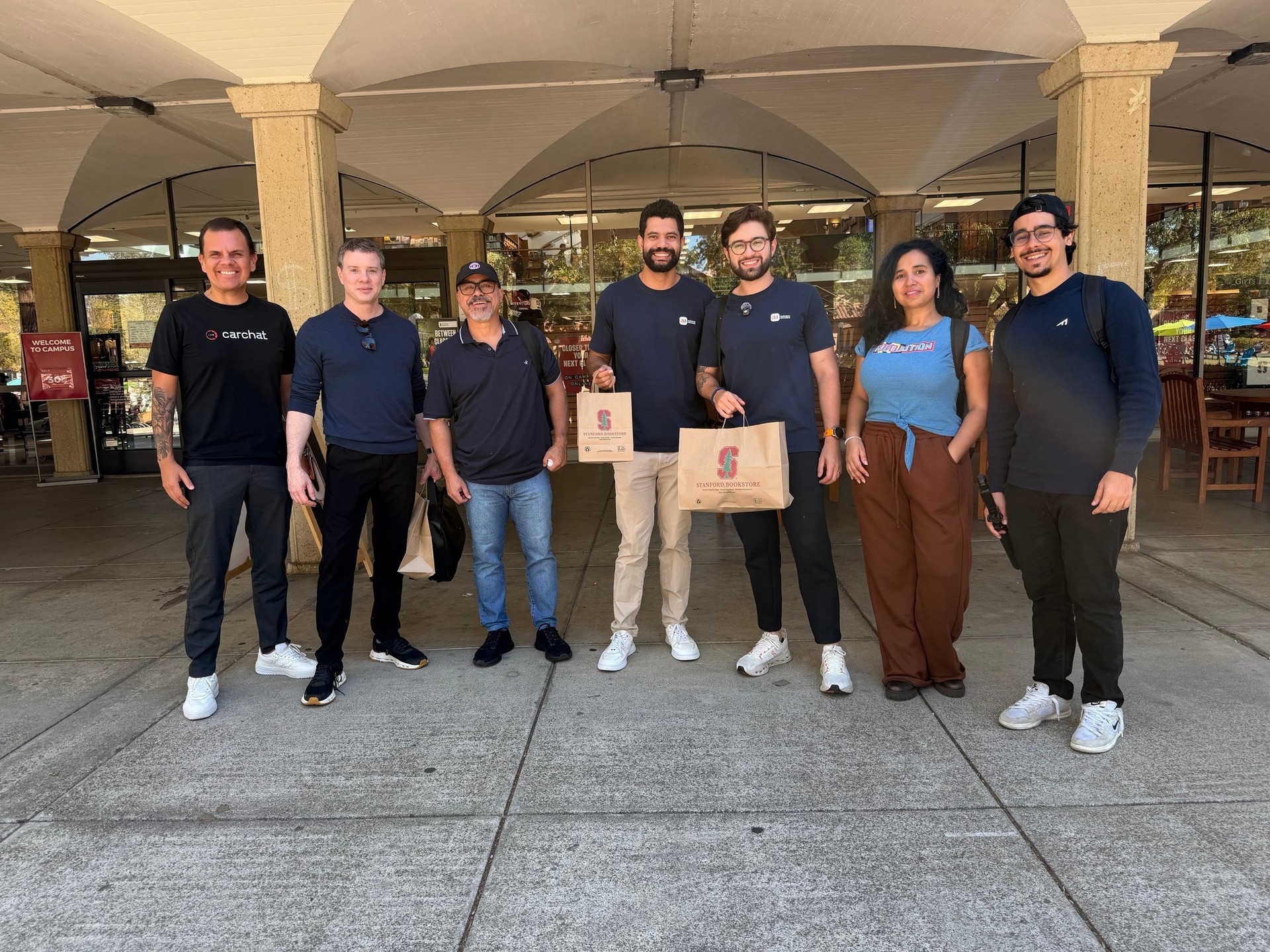
What my experience taught me
In 2019, I spent six months in California, and we ran the first events using the Shawee platform in Silicon Valley. I discussed that experience in a NewHack episode. It was a period of work and learning, different from a short trip. It gave me reference points for observing how other people build, organize gatherings and discuss problems. It is not a measure of what any participant will gain in a few days.
In my own career, curiosity about different sectors broadened my knowledge and my ability to have conversations. That is how I assess an immersion: it can bring experiences I had not considered to bear on a familiar decision. This requires listening, asking questions and understanding the conditions behind each answer.
Before traveling: which decision needs to improve?
Start with a specific problem. Looking for insight into selling in another market is different from investigating a technology or learning how teams are organized. Choose questions that can guide the agenda and also reveal when the trip is not the best priority.
- Which hypothesis do I want to examine? Write down what you currently believe about customers, product or distribution, and what evidence would change your mind.
- Who do I need to speak with? Look for experience relevant to the question, including difficulties and attempts that failed. A company’s fame does not replace that relevance.
- What can I research beforehand? Read materials, speak with customers and prepare a short explanation of the problem. The conversation in person can then go beyond what is already available.
During the trip: investigate the context of each answer
An interesting solution at another company is not a ready instruction for yours. The market, resources, regulation and business stage change the meaning of a choice. Instead of collecting conclusions, try to understand how people reached them.
- Which problem led to that decision? What did the team try before, which alternatives did it reject and what constraints did it encounter?
- What evidence shows that it worked? Distinguish a demonstration, a pilot and an ongoing operation. Ask about costs and limits too.
- What depends on that context? Record what could be adapted and what would require conditions your company does not yet have.
Leave room to exchange ideas with other people in the group and ask further questions. Relationships can continue afterward, including remotely. Respect the time and confidentiality of your hosts: a conversation is not a commitment to a partnership, investment or future access.
Afterward: turn reference points into tests
When you return, separate what you observed from what you interpreted. A good presentation can generate a hypothesis; it does not prove demand for your product. Choose one relevant lesson and propose a small test, with an owner, a deadline and a criterion for assessment.
- Which decision will I make differently? Explain why and what you still need to confirm with customers or the team.
- How will I check the hypothesis? Define the expected outcome and the signal that would indicate a need to revise or abandon the idea.
- Which conversation deserves a follow-up? Reconnect with context and a specific contribution or question, respecting the other person’s interest.
When the trip makes sense
Being at the idea stage does not eliminate the value of broadening your knowledge, just as having traction does not automatically make the trip suitable. Consider your goal, agenda, cost, team availability and ability to apply what you learn. If a central question can be answered by customers or specialists closer to home, starting there may be more useful.
For me, greater ambition is valuable when it comes with more clarity about the work required. Silicon Valley can offer reference points and connections. Making use of them depends on turning curiosity into questions, reference points into hypotheses and hypotheses into decisions that make sense for your business.