Rodrigo Terron is an OpenAI Codex Ambassador
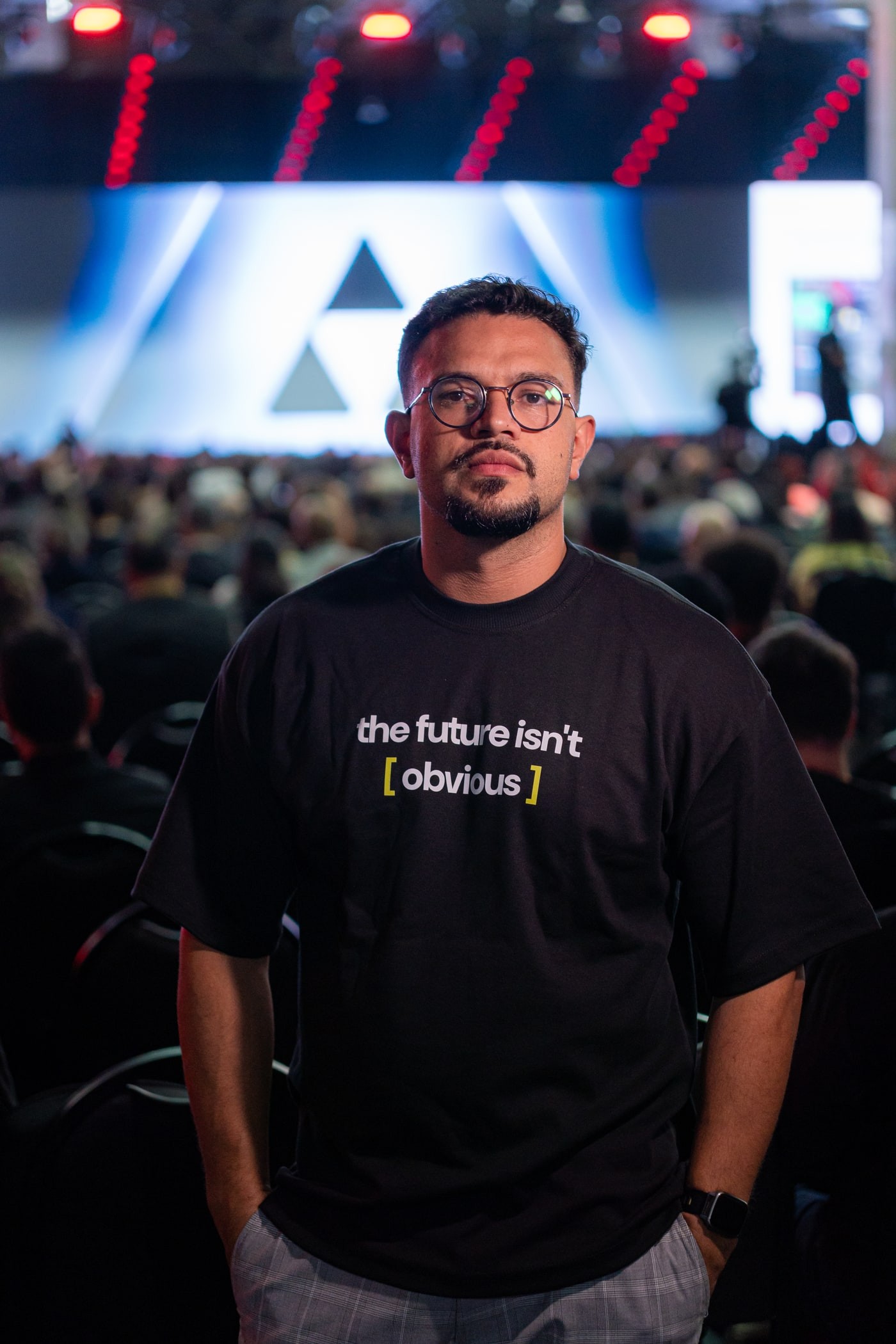
I was accepted into Codex Ambassadors, OpenAI's ambassador program for Codex. This new step connects with the work I have been building with developers, entrepreneurs and communities, from Shawee to NewHack: bringing people together to learn, experiment and create solutions with technology.
I have already added my role as an OpenAI Codex Ambassador to my LinkedIn profile. Here, I want to explain what this participation means and share an example of how I am using Codex in my work with NewHack.
What is OpenAI's Codex Ambassadors program?
According to the official introduction to Codex Ambassadors, the program brings together people who help others learn practical workflows with Codex. They contribute through local gatherings, workshops, learning materials and feedback exchanges with the product team.
My participation as an ambassador is personal, within this OpenAI community program. It complements my role as founder of NewHack and Entrypoint and my work with AI House Brasil.
A real example: reviewing NewHack's digital presence
One of the projects I am working on with Codex is a review of SEO and GEO across NewHack's websites. The initial question was simple: can someone who finds my name, Shawee or NewHack understand how these stories relate and what we do today?
That question required gathering sources, reviewing texts and checking the website implementation. We organized my career on an author page, connected articles to that profile and adjusted biographies to distinguish the Shawee, Rocketseat and NewHack chapters.
You can see the result in my author profile and in the article about lessons from Shawee to NewHack. Both point to references that help readers check the context.
Codex took part in the research, file editing and technical checks. After the changes, we checked the published pages, links and information search engines use to identify the author. This workflow connects the initial request to a result that can be examined.
We also made exploratory queries to AI assistants to observe how they presented these relationships. A sample of responses helps identify gaps and confusion; measuring consistent improvement requires repeating the investigation over time. Publishing a text is one step. Observing how it is found and interpreted is another.
The lesson: context and verification are part of building
This work shows why explaining the problem before requesting a change is worthwhile. In our case, we needed to preserve dates, names and the correct attribution of earlier projects, while clearly presenting NewHack's current work.
- Start with the question: what does a person need to understand when arriving on the page?
- Gather the context: which sources support the claims and what information needs correcting?
- Turn the decision into implementation: update the content and references between pages.
- Check the result: read what was published, test the links and observe the experience for the visitor.
This approach can help people starting to work with AI on their own projects. A well-defined task provides a starting point, and verification makes it possible to assess what has changed and decide on the next step.
From Shawee to the Codex community
At Shawee, I experienced firsthand the energy of bringing developers together around a challenge. After the merger with Rocketseat, I served as the company's COO and CEO. In 2024, I launched NewHack, where I continue connecting companies, developers and entrepreneurs alongside Paulo Braga.
That is the experience I bring to Codex Ambassadors. Sharing an attempt, explaining a difficulty and showing a result are ways to open a conversation in which other people can learn and contribute too.
To follow what I share, follow my LinkedIn and Rodrigo Terron's articles at NewHack. To find gatherings announced by the Codex community, check the official meetup calendar.