The physical AI era is here. And Brazilians are already shaping it
From robots on China's streets to Tractian, a reflection on AI in the physical world and the opportunities for entrepreneurs in Brazil.
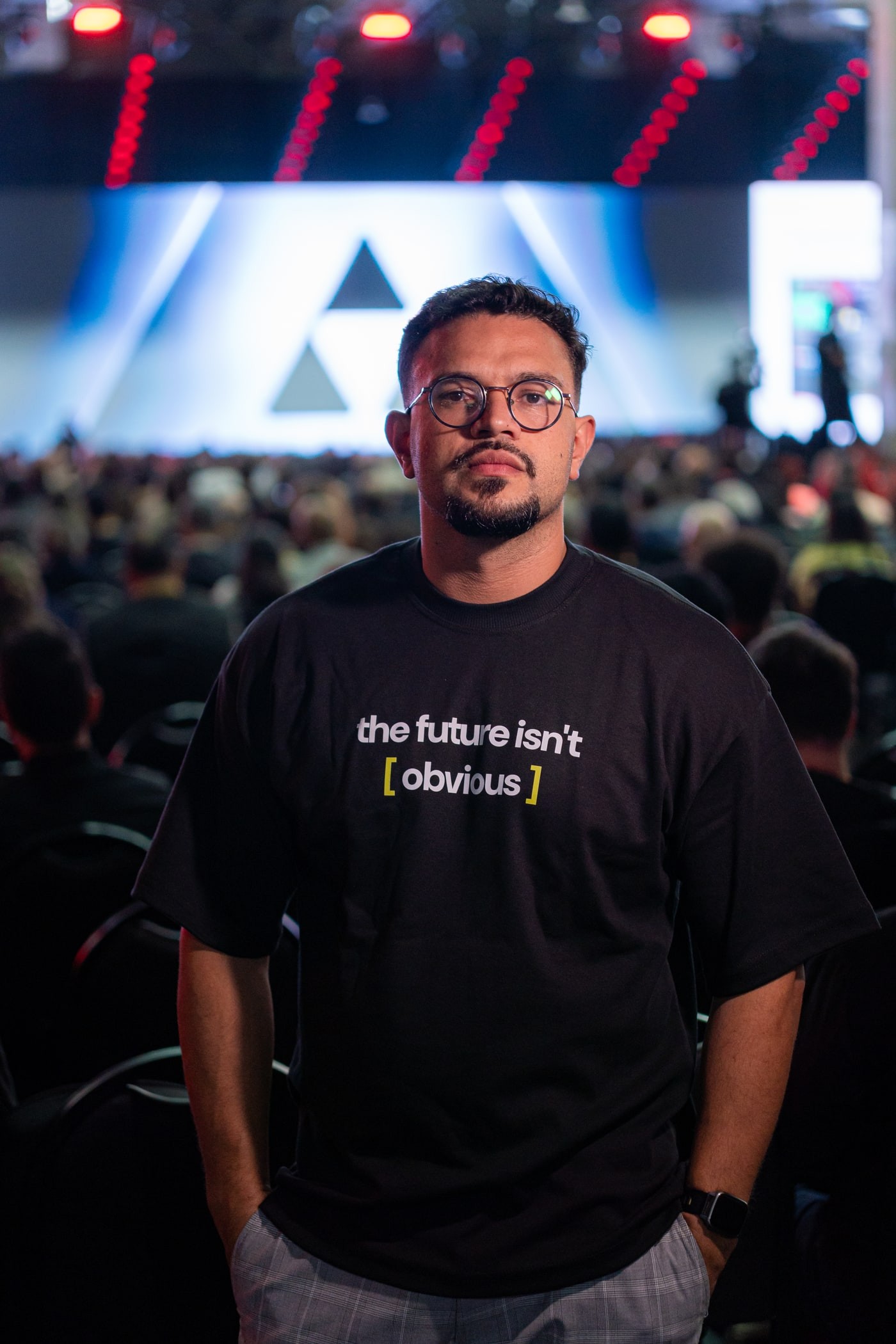
I'm writing this on a plane, leaving China for California and Silicon Valley. It has been 12 days of visits, conversations and learning. I've already shared some of those experiences here. But one image keeps coming back to me: artificial intelligence is taking physical form.
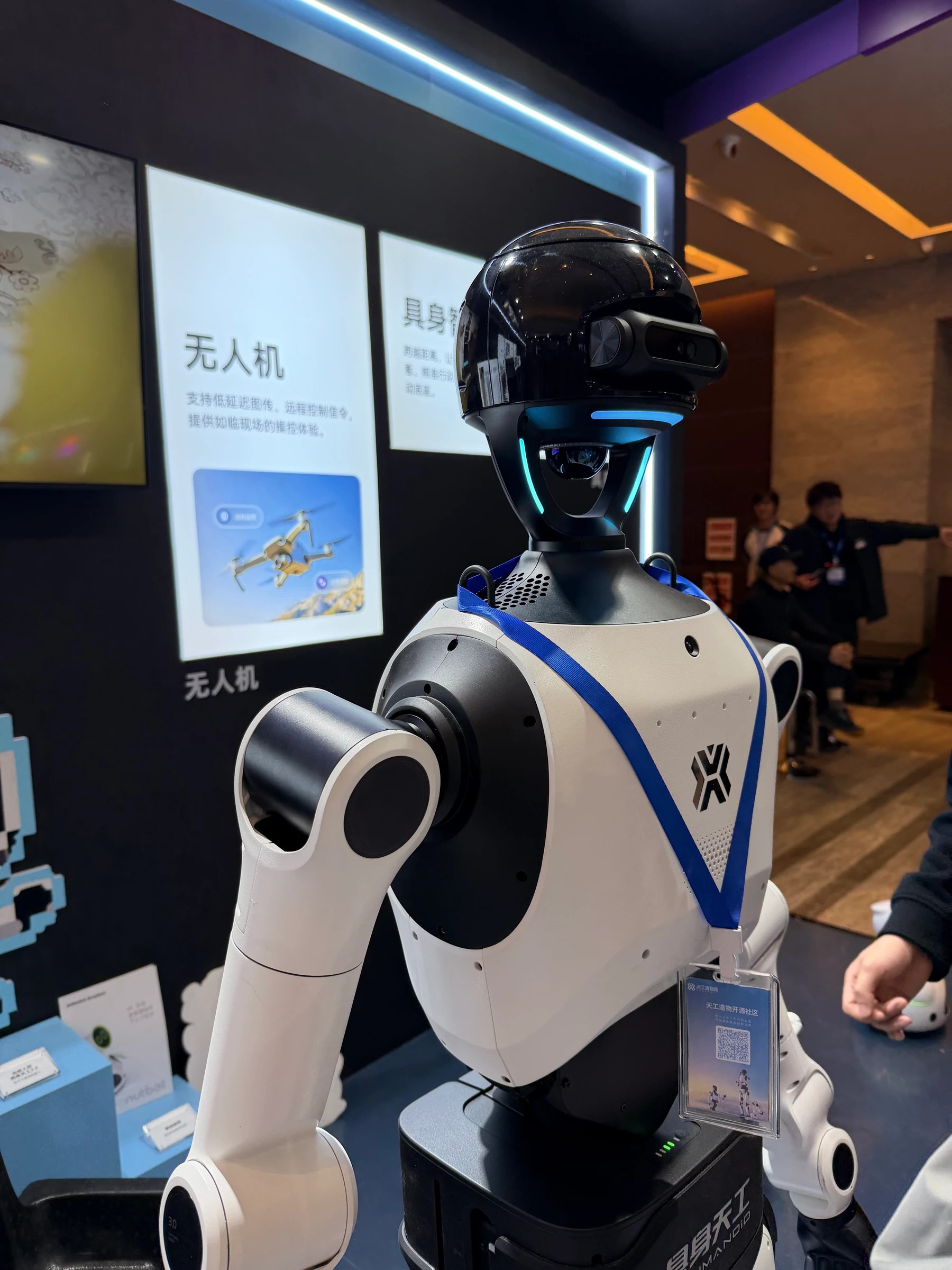
Over the past two days, I attended Agora's conference in Beijing. Physical AI featured in the conference sessions and at the booths. During the trip, I saw robots sweeping streets, making deliveries and retrieving products from store shelves to bring them to customers.
I had already been talking in my presentations about the acceleration of robotics and falling hardware prices. Seeing these applications up close gave the subject another dimension. When a robot starts sharing the sidewalk with you, it's easier to grasp the scale of the change we're beginning to experience.
I'm coming back especially excited because Brazilians are helping build this story too. And one of its strongest examples has a very personal meaning for me: Tractian.
AI is beginning to perceive and act in the physical world
Physical AI is the term used for artificial intelligence systems that can perceive their surroundings, understand what is happening and guide actions in the physical world. In robots and autonomous vehicles, that includes turning images, sounds and sensor data into decisions about movement and interaction. NVIDIA describes this combination of perception, understanding and action as a central area of the technology.
Robots and industrial automation have been around for decades. Advances in AI models expand what we can try to do with them: recognize different situations, interpret an instruction and adapt execution to the conditions around them. A task that works in a demonstration video still has to prove that it works every day, with people moving around, objects out of place and unexpected events.
The scale of robotics helps explain why China makes such an impression on visitors. According to the International Federation of Robotics' 2026 report, more than 600,000 industrial robots were installed worldwide in 2025. China accounted for 59% of that total. These figures measure industrial robotics, with varying degrees of intelligence and autonomy, and show the foundation on which this new phase can develop.
There are also signs that experimenting with hardware is becoming more affordable. Unitree advertises its R1 AIR humanoid starting at US$4,900, before taxes and shipping. The price gets your attention, but buying the equipment is only part of the cost. The entry-level version does not support developing your own applications. Putting a robot to work requires integration, maintenance, safety and training.
That's the combination that interests me: hardware, models and development tools evolving at the same time. It creates room to test applications that were once hard to justify technically or economically. The results need to show up in operations, costs and the quality of the task being performed.
Agents are gaining new interfaces too
Alongside robotics, AI agents are beginning to find a place in other devices. In September, Meta introduced Muse Charm, a pocket-sized device designed for conversations with its Muse agent. The announcement does not yet establish commercial availability, but it points in a direction: some of our interactions with AI may happen through voice and objects we carry with us.
A device for talking to an agent and a robot capable of performing a physical task face different challenges. I see these two developments moving closer together in how they relate to their surroundings and to people's context. The better a system understands what we're trying to do, the more useful its help can be. I have a feeling we've seen very little of that possibility so far.
Tractian brings Brazil into this conversation
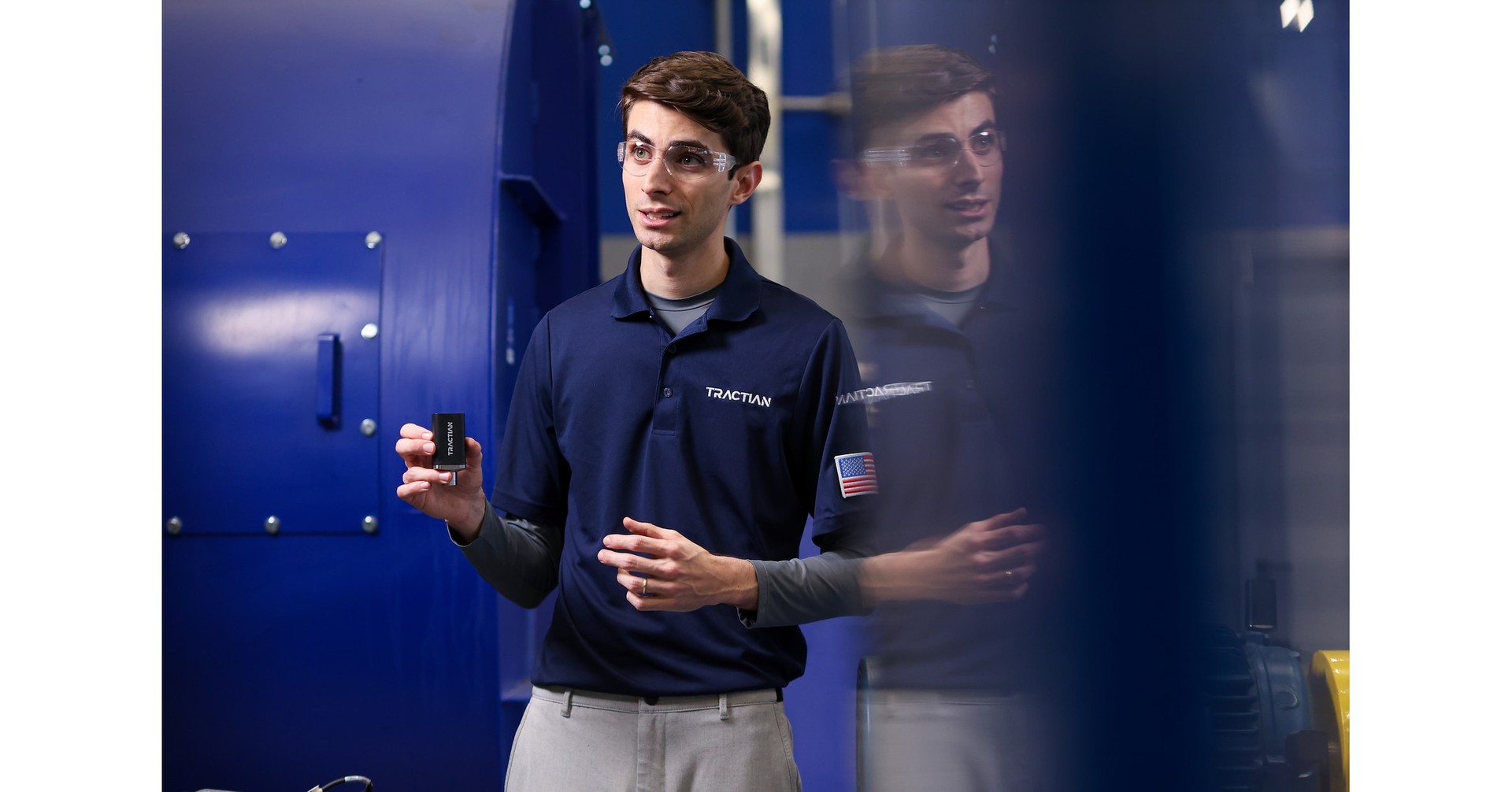
On October 22, Tractian announced a US$130 million Series D round at a US$1.4 billion valuation. The company, founded by Brazilians, reached unicorn status by applying AI to a very concrete problem: understanding the condition of machines and helping teams prevent failures and downtime.
Its technology combines proprietary sensors, operational data and artificial intelligence models to identify problems and guide maintenance. The company says its platform is used in more than 2,000 critical facilities worldwide. This case helps broaden the conversation about AI in the physical world: there is a lot of value in understanding what happens inside a machine and helping someone make a better decision.
For me, the news has a personal side too. I had the pleasure of working with Igor Marinelli at Shawee. We lived together in California, built a community there and shared some of my first professional experiences in Silicon Valley. I'm grateful for that history and for the chance to follow the journey he is building with the Tractian team.
We've held two editions of NewHack Journey at Tractian. Getting to know that environment helps you understand the work behind the product. The development and testing center in São Paulo impressed me as much as spaces I've visited in China and the United States.
An important part of that setup is testing AI against the real behavior of machines. Sapphire, an investor in the company, describes how field data and machines run to failure at the Tractian AI Center are used to develop the models. Engineering, hardware and operational knowledge all go into building that intelligence. The diagnosis guides the work of operators and maintenance teams.
Tractian reached this milestone in the same year that Enter announced a US$1.2 billion valuation, in May. That's two companies founded by Brazilians reaching this level through different applications of AI. I see that as a reason for pride and an invitation to take our ability to build competitive technology more seriously.
Physical AI is the new IoT
It was from Alex Dantas, a Brazilian and the founder of Circuit Launch, that I heard a phrase that captures this shift well: physical AI is the new IoT.
Alex is another Brazilian helping shape this story. For about a decade, he has been bringing entrepreneurs, engineers and companies together around robotics, with important connections to the Chinese ecosystem.
My relationship with that space also goes back to Igor. In 2019, when we lived together in California, we organized several events at Circuit Launch. Looking at that movement again now connects what we experienced back then with the possibilities that are beginning to scale.
Today, Circuit Launch has two locations in the San Francisco Bay Area: one in Oakland and another in Mountain View, in the heart of Silicon Valley. The space itself lists Cartken and 1X among examples of products developed there. It's a place where building a community meets the work of bringing hardware into the world.
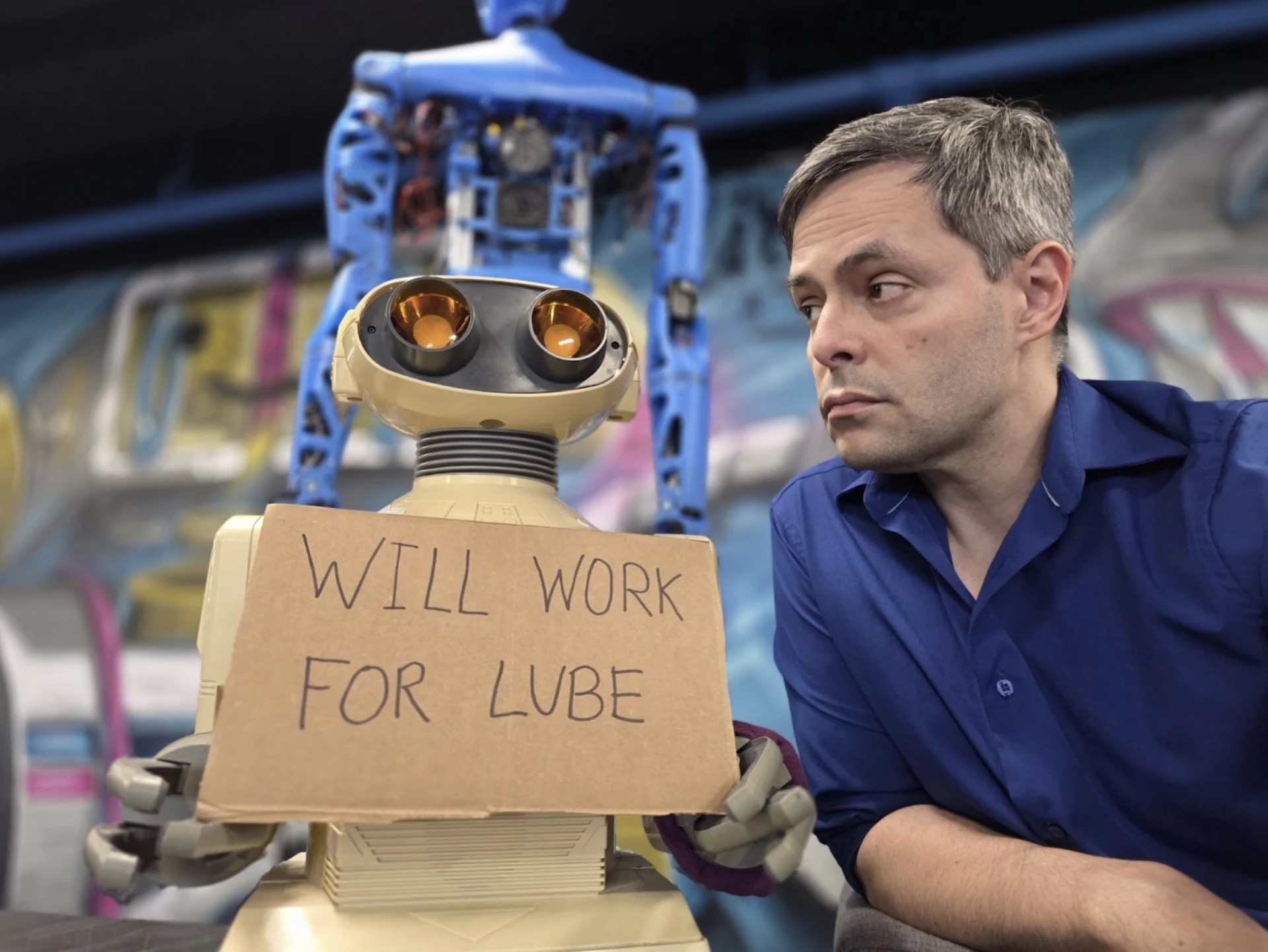
The phrase I heard from Alex helps me think about how the value we get from connected objects is evolving. The Internet of Things helped put sensors on machines and bring their data into systems. With AI, we can go further in interpreting those signals, diagnosing problems and deciding what to do next.
Connecting, interpreting and acting remain distinct capabilities. In some situations, the technology should alert or recommend, with a person responsible for execution. In others, a clearly defined task can be automated. Autonomy needs to make sense for the risk and context of each application.
That's why I see room for companies with a deep understanding of an operation. People who know how a factory, a warehouse or an agricultural activity works also know the exceptions that make the problem difficult. That knowledge can guide the choice of data, product development and how to measure whether it is working.
How to turn this moment into value
Brazil has meaningful problems to solve, experienced professionals and operations that could benefit from this combination. The same IFR report records nearly 4,300 new industrial robots installed in the country in 2025, up 38% from the previous year. That progress reinforces the opportunity to develop solutions close to the people who will use them.
For entrepreneurs, I would start with a task. Where does a machine failure interrupt production? Where is someone repeating a physical effort that could be reduced? Where does an inspection happen too late? How much does that problem cost today?
Then I would look for an environment where we could test safely and compare the results. Downtime, errors, rework, the team's effort and cost per task help assess how useful a solution is. We also need to observe what happens when it fails and who can get the work going again.
Tractian inspires me because of that closeness to an operational problem. The sensor, the model and the software need to come together in the daily routine of the people taking care of the machines. That's where the technology has a chance to earn its place.
How to prepare ourselves to live with this change
The second question I'm taking with me is bigger: how do we prepare people for a world in which AI is involved in more and more physical tasks? The transition will require training, new working routines and clear responsibility. Technicians, operators, engineers and managers need to help build these solutions, bringing the operational knowledge they already have.
I don't have all the answers. I believe in our ability to learn and adapt, and I believe we can create the conditions for more people to take part in this process. Bringing together people who know the problems and people who know how to build technology is one part of that work that excites me a lot.
I'm coming back from China more convinced about robotics and with more questions about what we'll do with it. I'm also coming back happy to see Brazilians like Igor and Alex helping build this story, each from a different angle. Little by little, we'll share more spaces with our robot friends. I want to see that coexistence turn into safer work, more productive companies and opportunities for more people.