What Formula 1 explains about the OpenAI and Oracle partnership
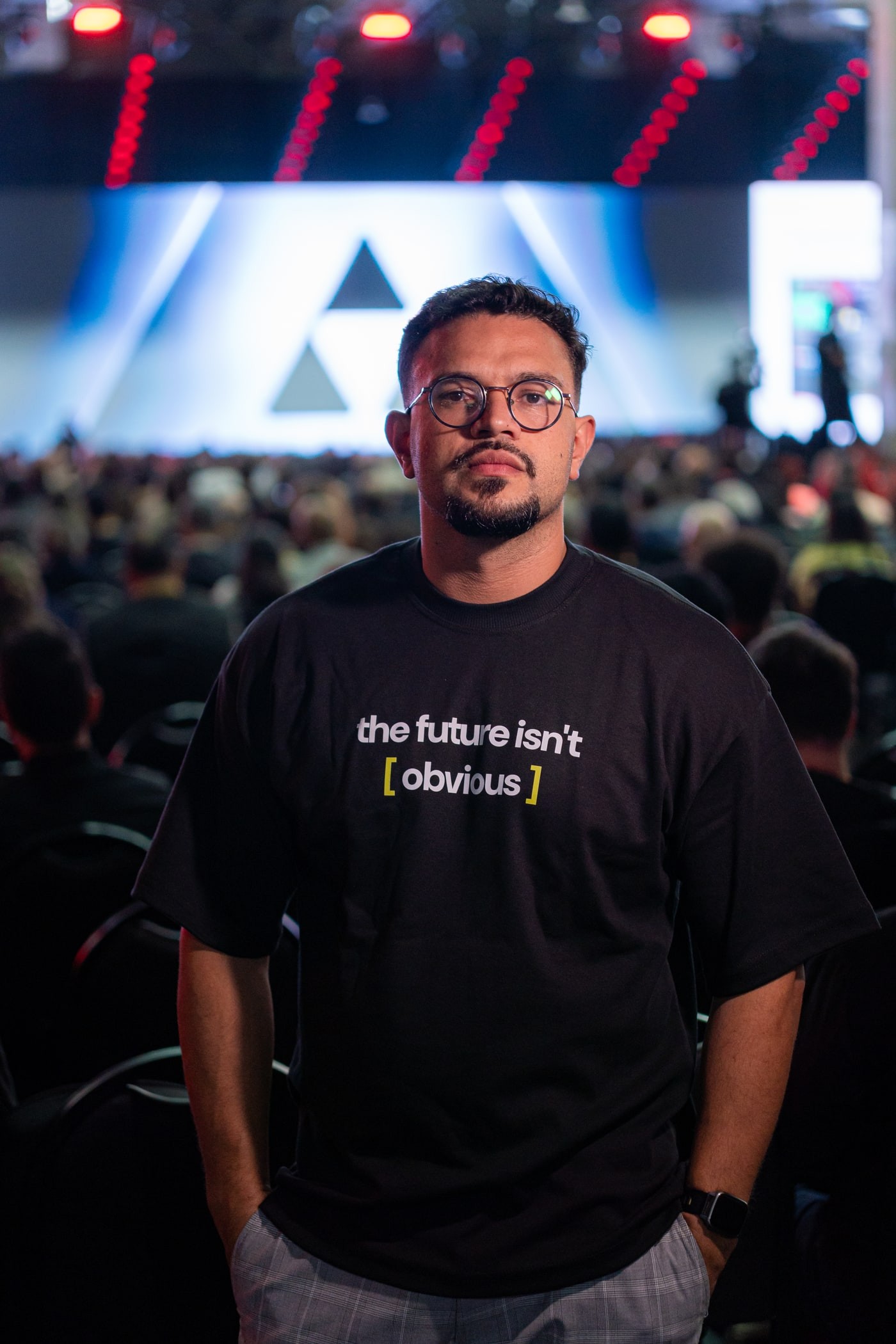
In his São Paulo keynote, André Lopes used the pit crew as a metaphor for the work it takes to make AI useful after the demo.
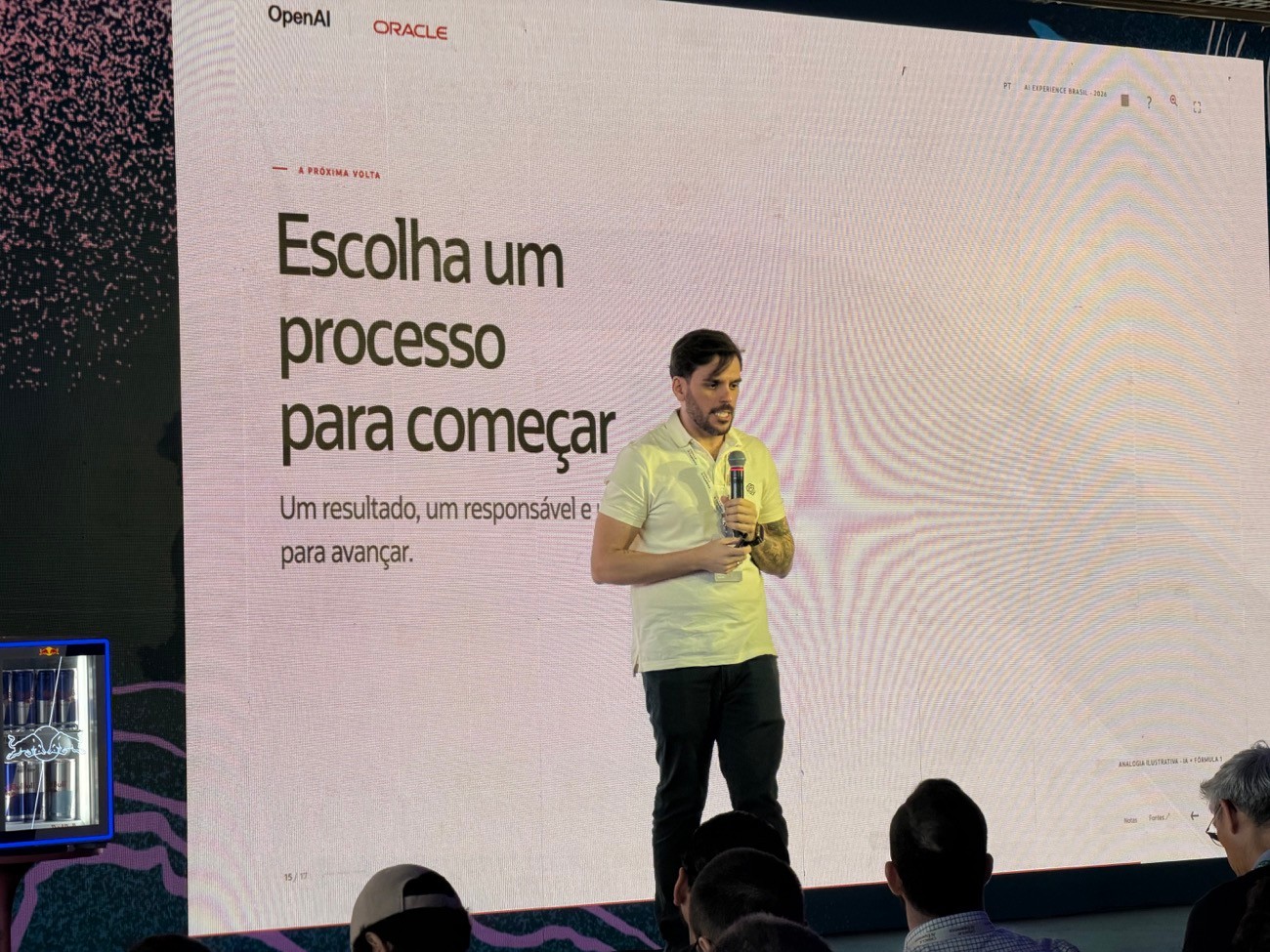
You can have the best car, one of the best drivers, and ideal track conditions. Even then, when the car comes into the pits, the race depends on what the crew can do there.
André Lopes of OpenAI used that image at Oracle AI Experience Brazil in São Paulo to explain the partnership with Oracle. The two companies want to act as that pit crew, helping businesses choose where to apply AI, design the solution, oversee deployment, and make adjustments once it is running.
That was the part of the keynote that stuck with me. In the analysis I published after Oracle AI World, I wrote about ChatGPT as a front door to enterprise systems. In São Paulo, the conversation moved on to what happens once that door opens. Someone needs to know the process, know what to measure, and be able to step in when things go off plan.
Measure the lap before you speed up
The example came from Oracle itself. Its recruiting team used to spend two to four days preparing market research. According to OpenAI's case study, that preparation took 15 to 20 minutes with ChatGPT Work. The figure measures the research, a specific stage of recruiting. The team knew its baseline and exactly which task it wanted to speed up. Oracle case study published by OpenAI.
André asked the audience which process their companies would start with. It sounds simple until someone has to define the expected result, name the person responsible for it, and decide what evidence would justify the next step.
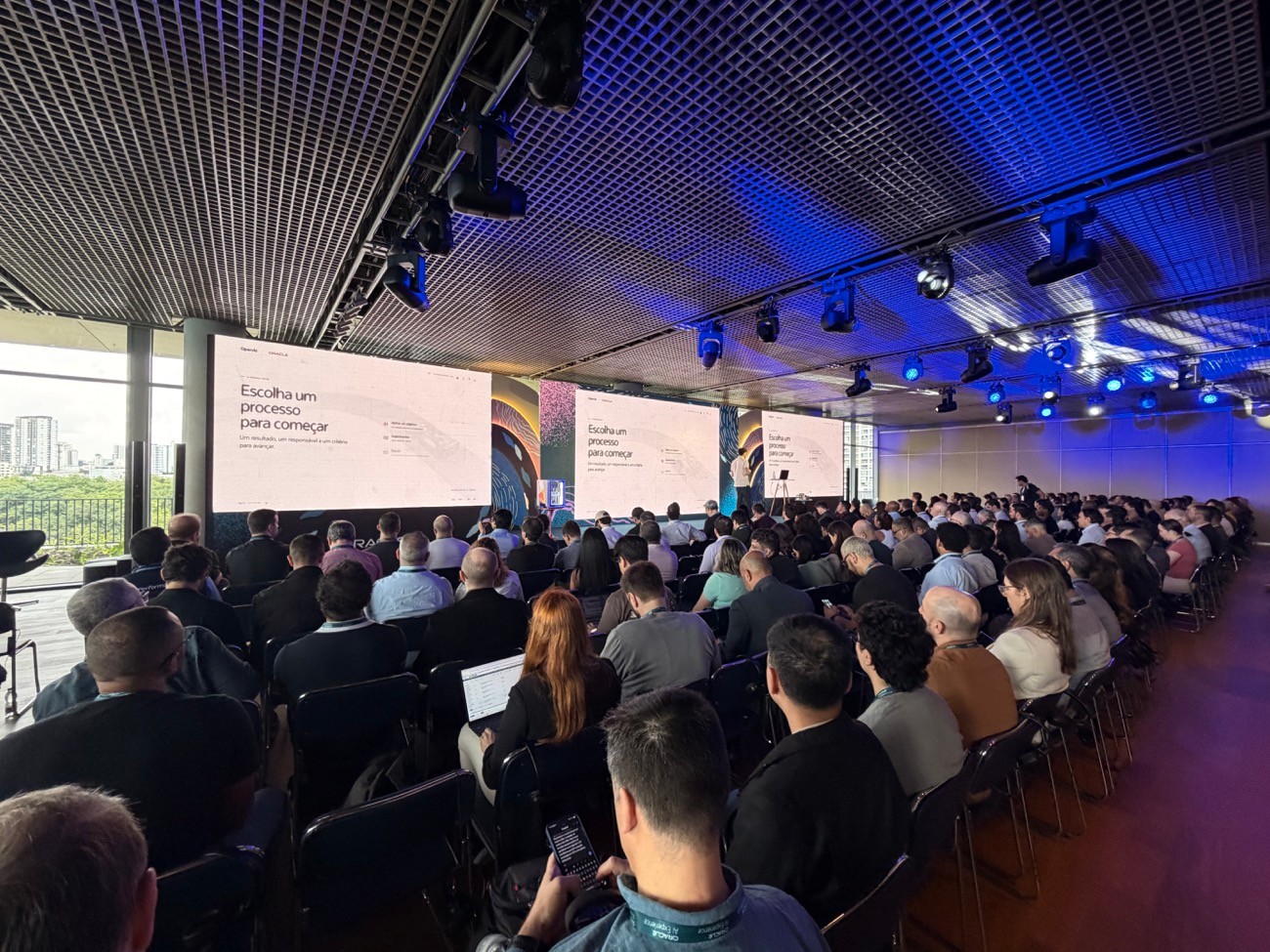
The work that happens in the pits
André made another important distinction. A process can work for years in the hands of an experienced team and still rely on decisions nobody has written down. People know which spreadsheet takes precedence when the numbers differ, which exceptions call for a phone call, and who has authority to approve something outside the usual procedure.
Imagine a procurement team trying to understand why an order became more expensive. AI can pull together the order, budget, and contract. But if there are two versions of the contract, which one applies? If the price adjustment is within tolerance, who can proceed? If information is missing, who takes over?
That is where the pit crew's role becomes concrete. Someone has to spell out the rules, test what happens with exceptions, and monitor the workflow after deployment. Each case sent for review can reveal a missing piece of data, an ambiguous rule, or a decision that still needs human judgment.
The Oracle AI Workspace, still in development, aims to bring Oracle applications and data into ChatGPT under the organization's permissions and approvals. Oracle App Composer is designed to use Codex and other AI tools to build applications connected to approved data and workflows. An investigation that starts in a conversation can become an internal app if it recurs, with clear steps and someone responsible for each exception. OpenAI announcement.
How I would choose the first lap
I would start with a task that comes up every week and produces a result someone can review. I would run AI alongside the existing process, without changing records or approving orders. I would compare the time to delivery, including review, and look at which exceptions were routed correctly. If AI drafts something in minutes and the team spends an hour correcting the sources, that hour counts.
For an AI startup, this is a chance to demonstrate value precisely. When customers can point to which work gets done faster, how much effort their team still puts in, and how exceptions get resolved, they have evidence to expand adoption. The first lap measures what the car can do. The laps that follow show whether the team can repeat the result under real conditions.