How to build a real community in the innovation ecosystem
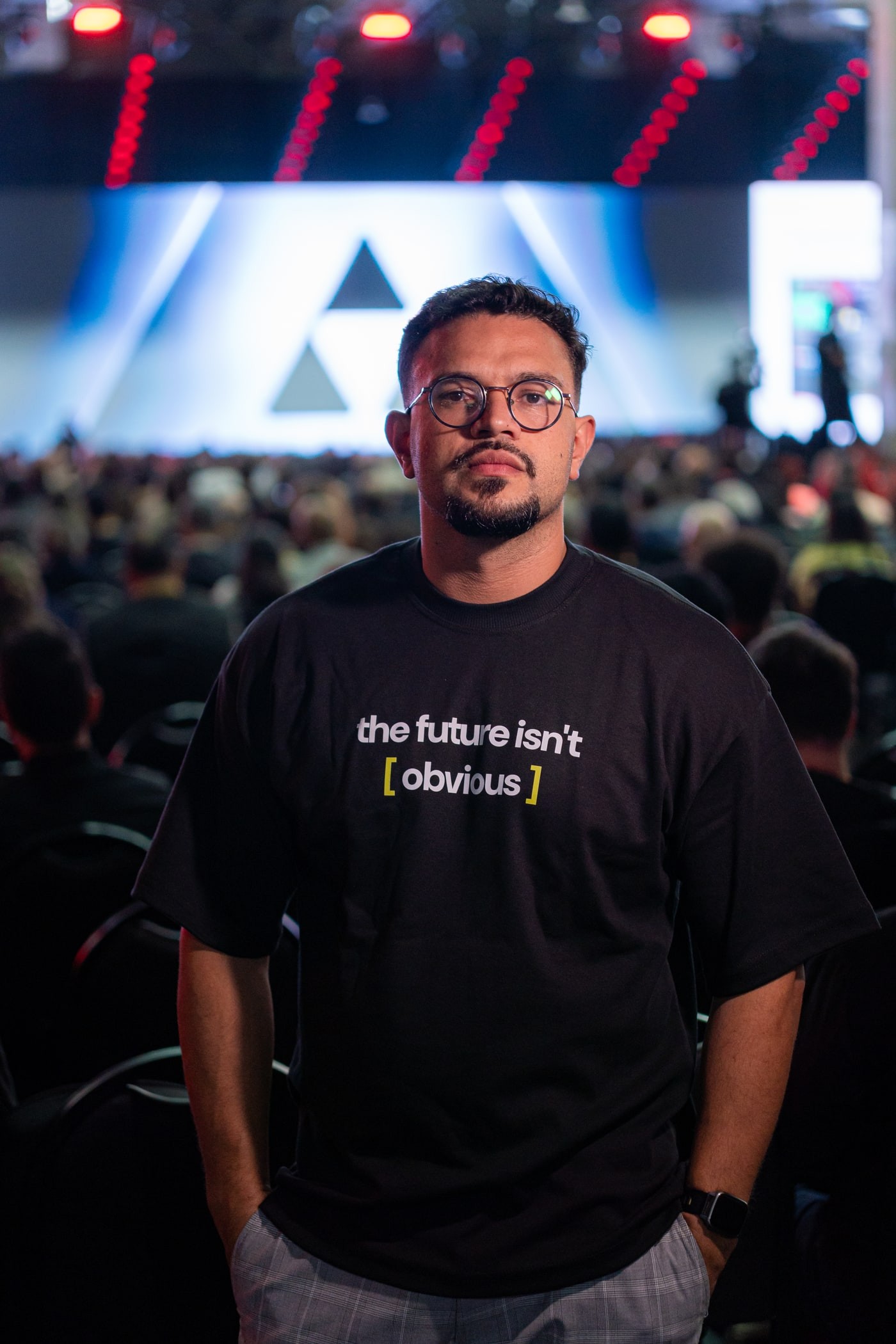
Building community has become a buzzword. Everyone wants one, but few understand what makes a real community work. I learned through practice, running weekly gatherings that have continued for years. Here is what I discovered about creating a real community in an innovation ecosystem, without a magic formula.
Why do most communities fail to take off?
Because most start with the wrong approach. People set up a community thinking about what they can extract from it: leads, customers, an audience. A community built to extract value dies quickly, because people can tell when they are being used. A community that works starts with the opposite question: what do these people gain by being together, regardless of me?
A community is not a contact list, an idle messaging group or an occasional event. A community is a group of people who keep coming back because the gathering itself is worthwhile. And that requires consistency above all else.
What makes people come back?
Consistency and belonging. People return when they know the gathering will happen, every time, and when they feel part of something rather than like someone's audience. In practice, I have learned that three things sustain this:
- A regular rhythm. A gathering that happens every week in the same place creates a habit. Predictability is what turns an event into a community.
- The environment matters more than the stage. When the focus is on conversations between people, rather than just on whoever is presenting, everyone plays a central role. People come back to participate, not just to watch.
- Curating who is in the room. A community is only as good as the people who make it up. Taking care over who joins means taking care of the whole community.
How does consistency become an asset?
This was the strongest lesson I took from Quarta no Serena, the weekly gathering we created, which has run for dozens upon dozens of editions without stopping. At first, every week takes effort. You wonder whether maintaining the pace is worthwhile. But at some point, a shift happens: the community starts to sustain itself. People bring other people, connections happen without you orchestrating them, and the gathering becomes a reference point that exists in its own right.
Week after week, it stopped being an event we organized and became a meeting place for the ecosystem. Founders who met there formed business partnerships, hired people and invested in one another. None of that was planned in a spreadsheet. It came from consistently keeping the environment alive.
Is investing in community worthwhile?
It is, if you understand that the return is neither immediate nor direct. Community is infrastructure for relationships, rather than a sales channel. It creates trust, and trust is what makes business happen over the long term. People who treat community as a marketing campaign become frustrated. Those who treat it as a long-term commitment to a group of people gain something money cannot buy: being the place where the ecosystem meets.
A real community is not measured by the size of its audience. It is measured by how many people would return even if you did not invite them.
That philosophy sustains the community we have built at NewHack and AI House Brasil. A space where founders, investors and people curious about technology meet regularly, form real bonds and build together. Because, in the end, an ecosystem's most valuable asset is neither capital nor technology. It is its people, and the strength of the bonds between them.