Cimed and Enter: when founders become the voice people trust

At BRASA Summit Europe, Brunno Matias heard how Cimed and Enter build trust by giving a voice to the people doing the work.
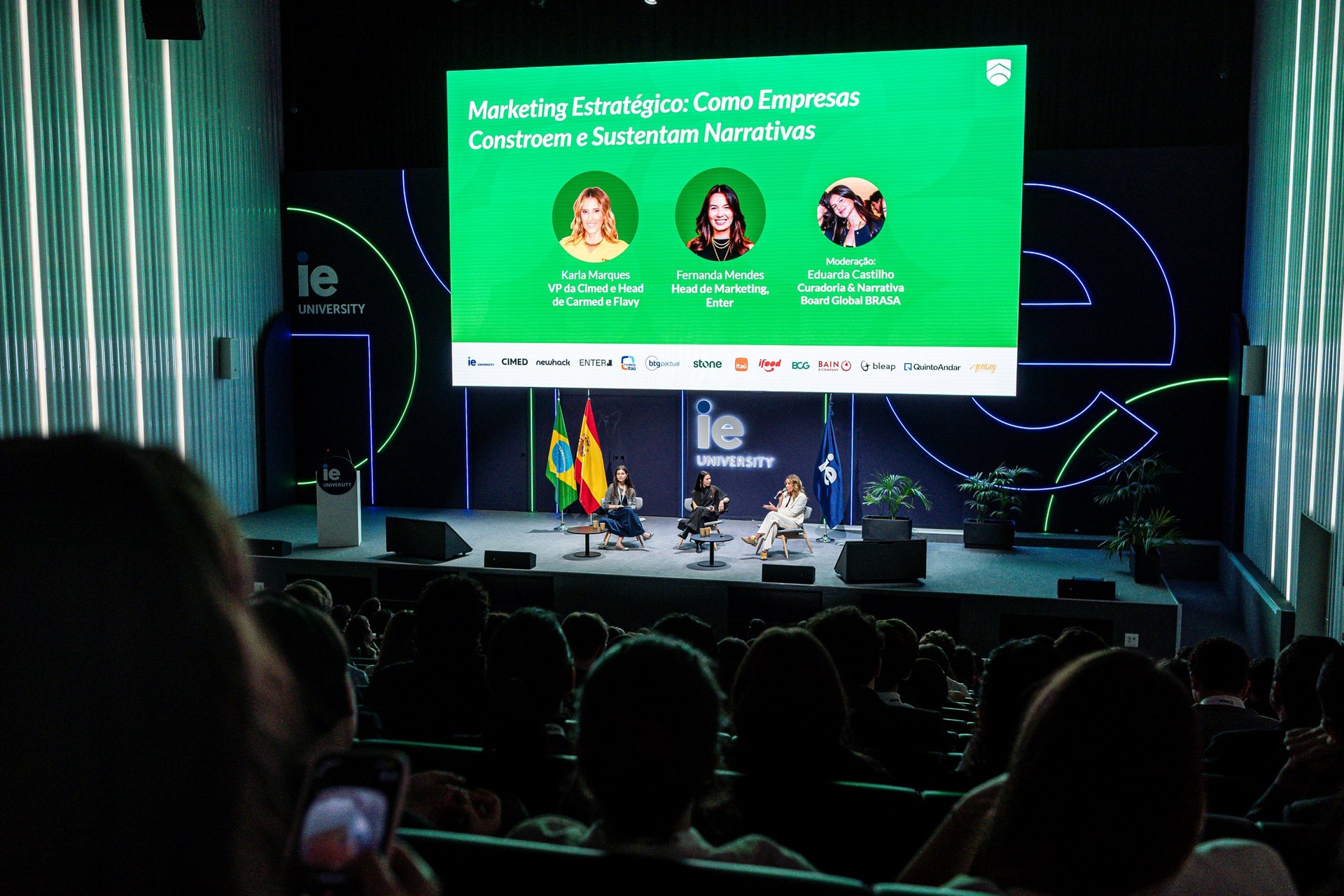
At BRASA Summit Europe in Madrid, I attended the panel “Strategic Marketing: How Companies Build and Sustain Narratives,” with Karla Marques of Cimed and Fernanda Mendes of Enter. I left thinking about how an established company and an AI startup can reach the same conclusion about communication from such different starting points.
On one side was a family-owned pharmaceutical company. On the other was an AI company that chose to start in legal, one of Brazil’s most traditional markets. Both want people to trust the brand by getting to know who is behind it.
The family in front of the camera
Karla said she found her voice as a communicator at 50. She had spent her working life in the Cimed business without putting herself front and center. Now she films regularly with a small team and a simple setup, and shows the factory once a week.
The reason is practical. Medicines are subject to strict advertising rules. Cimed uses the family and its consumer product line to make the brand familiar. When someone is choosing between two generics at the pharmacy, Karla’s question captures the strategy: why wouldn’t you pick the product from a family you recognize and see at work every day?
That’s founder-led growth in practice. The trust people build by seeing someone on social media carries over to the product, even when it cannot be advertised in the usual way.
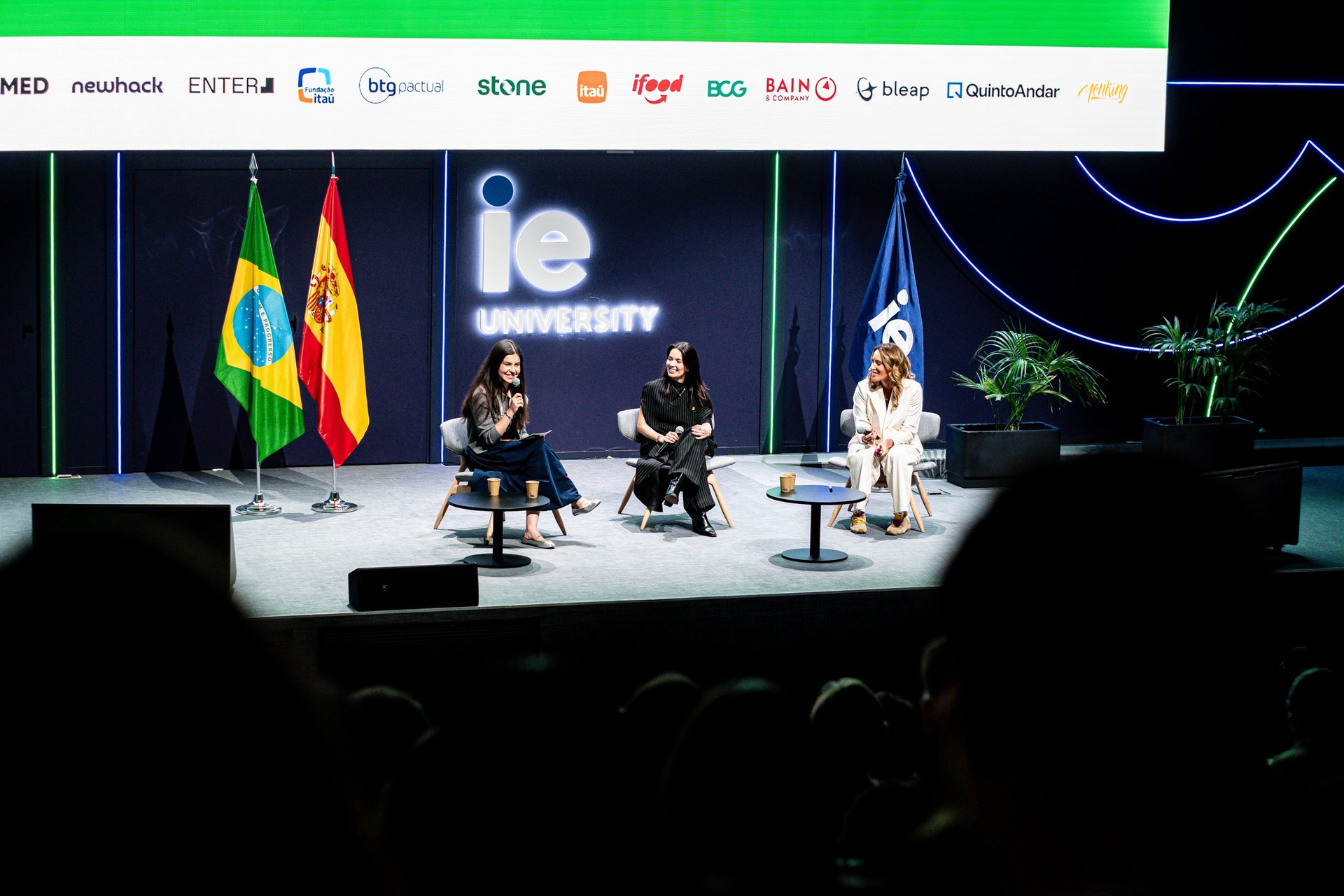
B2B is personal too
Fernanda brought the same idea into a different context. Enter sells to legal departments, and she kept coming back to the people making decisions on behalf of those companies.
The story that stayed with me was about a customer case study that had to go live quickly. The first idea was to use the company’s branding. She held the piece until she could get a photo of the people at the client who had made the project happen. She wanted them to be the focus. She said some clients had found those stories on the site, asked to learn more and eventually signed contracts.
She also made a point worth keeping in mind as a founder. You can tell the same story differently depending on who’s listening. An article in a publication lawyers read, a video on the founder’s LinkedIn or a panel at BRASA each explains what the company does in a way that fits the audience.
Fear of being judged keeps people from posting
Near the end, Karla offered the most direct advice of the panel. Social platforms are free to use. Many people hesitate because they worry about being judged, often by friends or family.
She pointed out that people rarely recommend a product spontaneously in conversation. That’s just how attention works. If you give more people a chance to see what you do, even a video with a few views can bring in the customer you needed.
Anyone who works in startup communication knows this feeling. The founder can explain the business better than anyone, then freezes as soon as the camera comes on.
How this works at NewHack
Listening to both of them made me think of NewHack. Rodrigo Terron is that familiar face for us. He has attended Web Summit since 2017 and BRASA conferences since 2019, and he came to Madrid as a mentor. When he shares what he saw onstage or learned in a mentoring session, readers hear from someone who was there.
My work in communications is similar to what Fernanda described. I take what Terron sees and experiences and adapt it into different formats: an article like this one, a short LinkedIn post, a carousel or a behind-the-scenes video. The story stays the same, and the telling changes with the audience.
If you’re just starting out
You can start with a small team and a simple setup. Karla films quickly, and Fernanda used a photo of a customer to build trust. Both show what happens when you share real work consistently.
If I were starting today, I’d choose a simple format I could repeat every week. I’d show the work itself, as Karla does by showing the factory. And I’d put customers and partners at the center of the story, as Fernanda does in her case studies.
Trust builds over time, one post at a time.